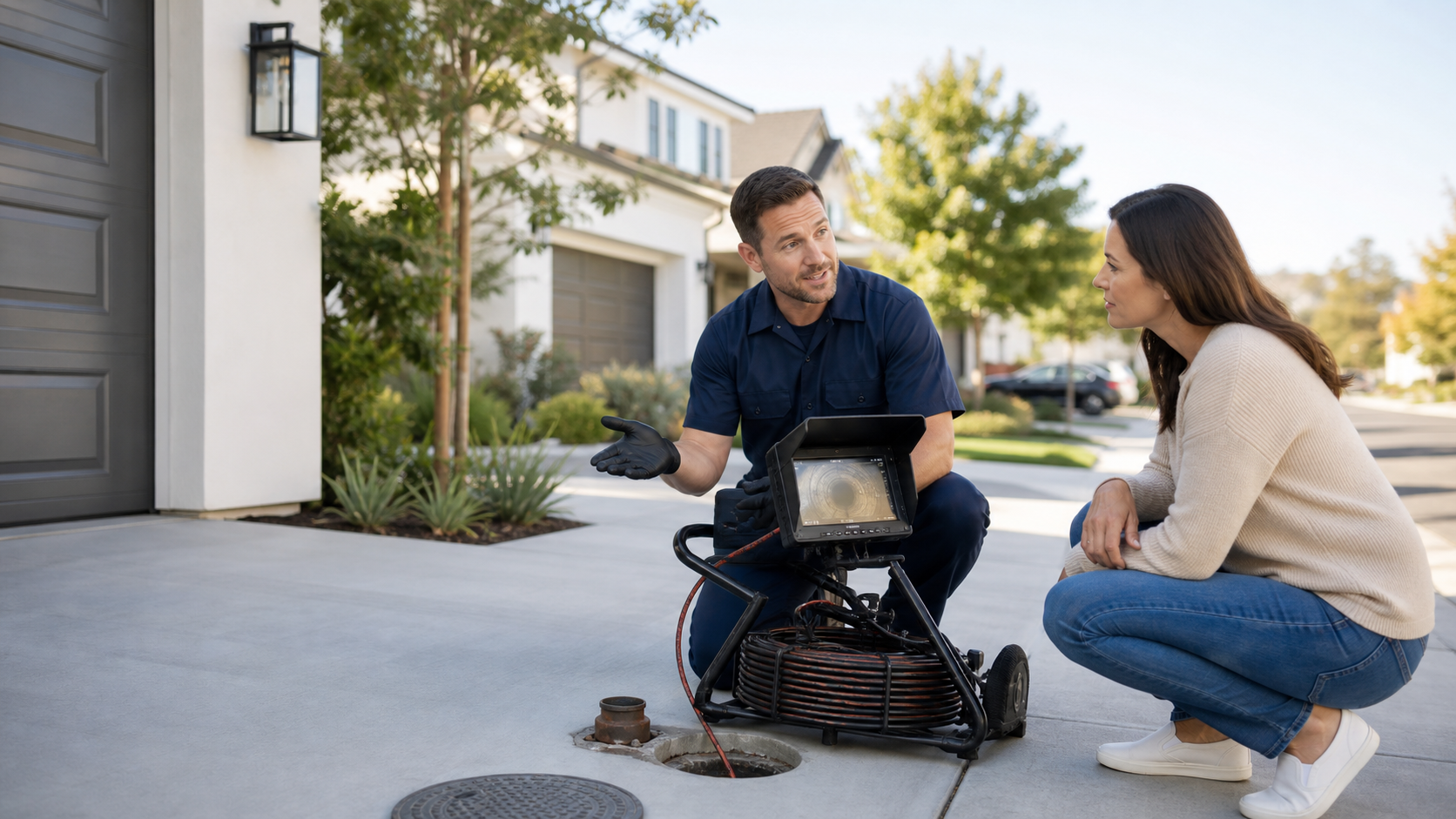
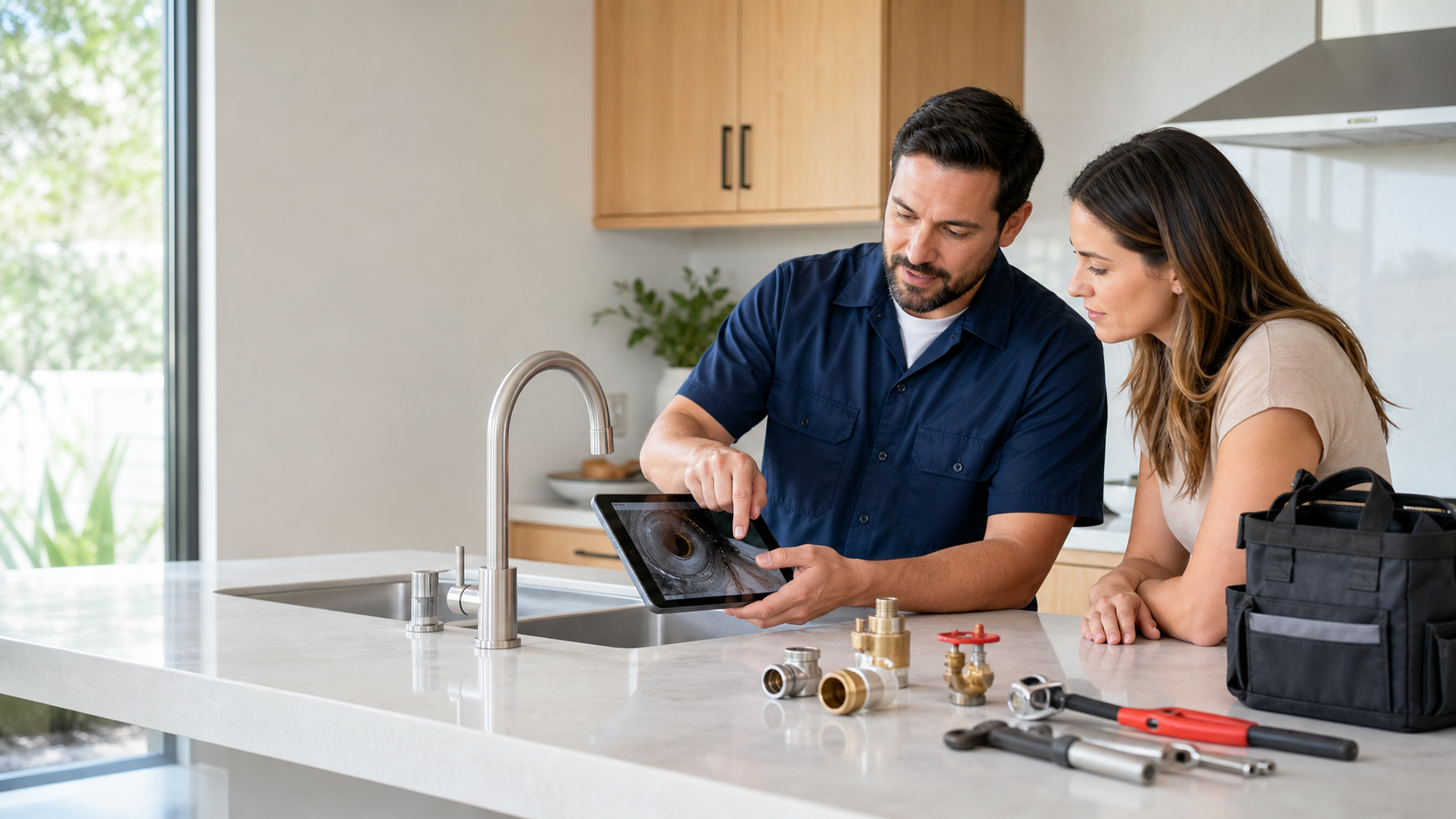
Clear answers for homeowners, property managers, and commercial clients.
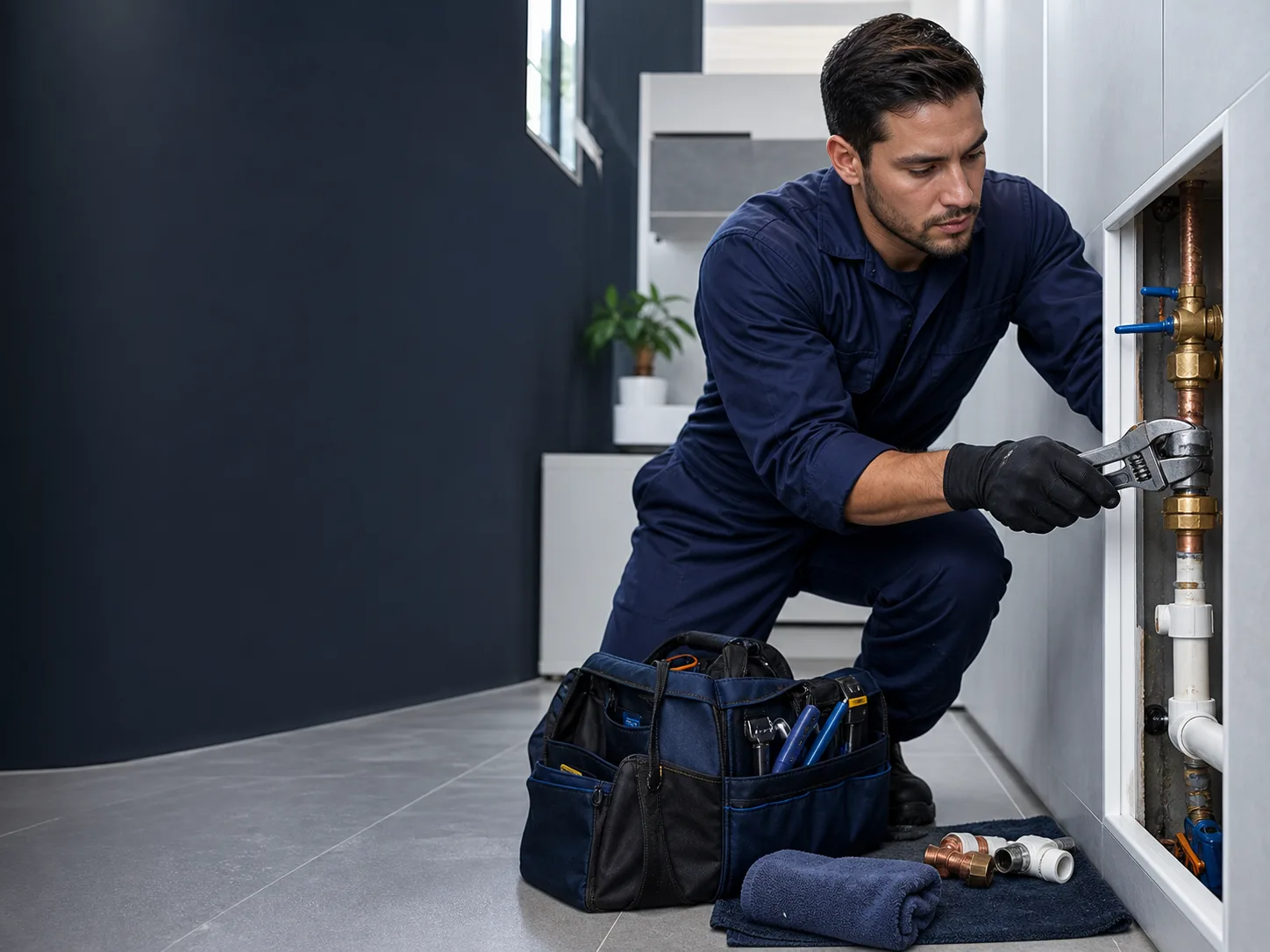
When should I call an emergency plumber?
Call promptly for wastewater backing up, an overflowing cleanout, a burst pipe, uncontrolled water, a gas odor, or a leak that threatens electrical systems or property.
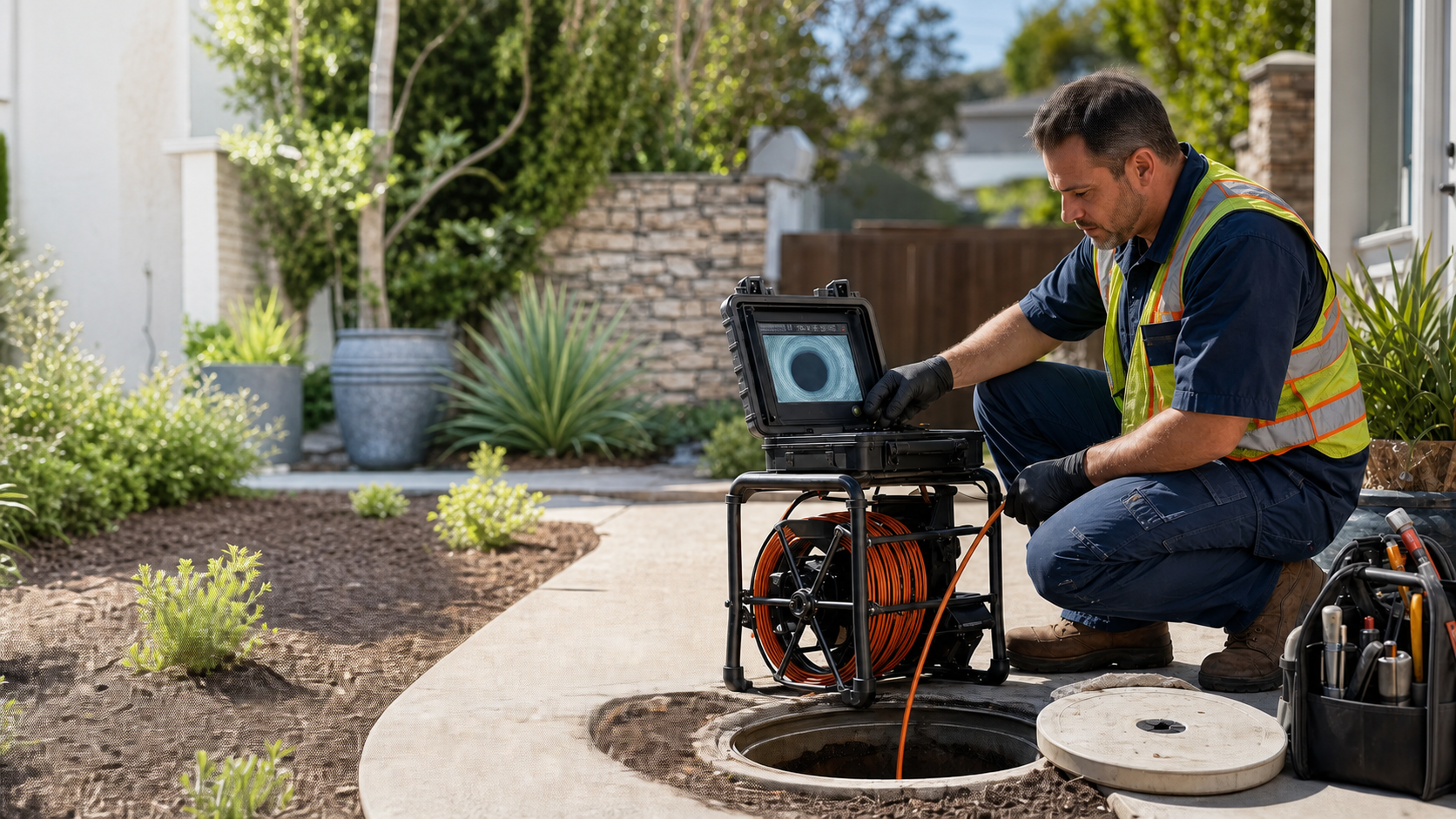
Do I need a sewer camera inspection?
Recurring backups, multiple slow fixtures, roots, unexplained odors, or a backup that returns after cleaning can indicate a main sewer issue. A camera inspection helps locate the cause before repair or replacement.
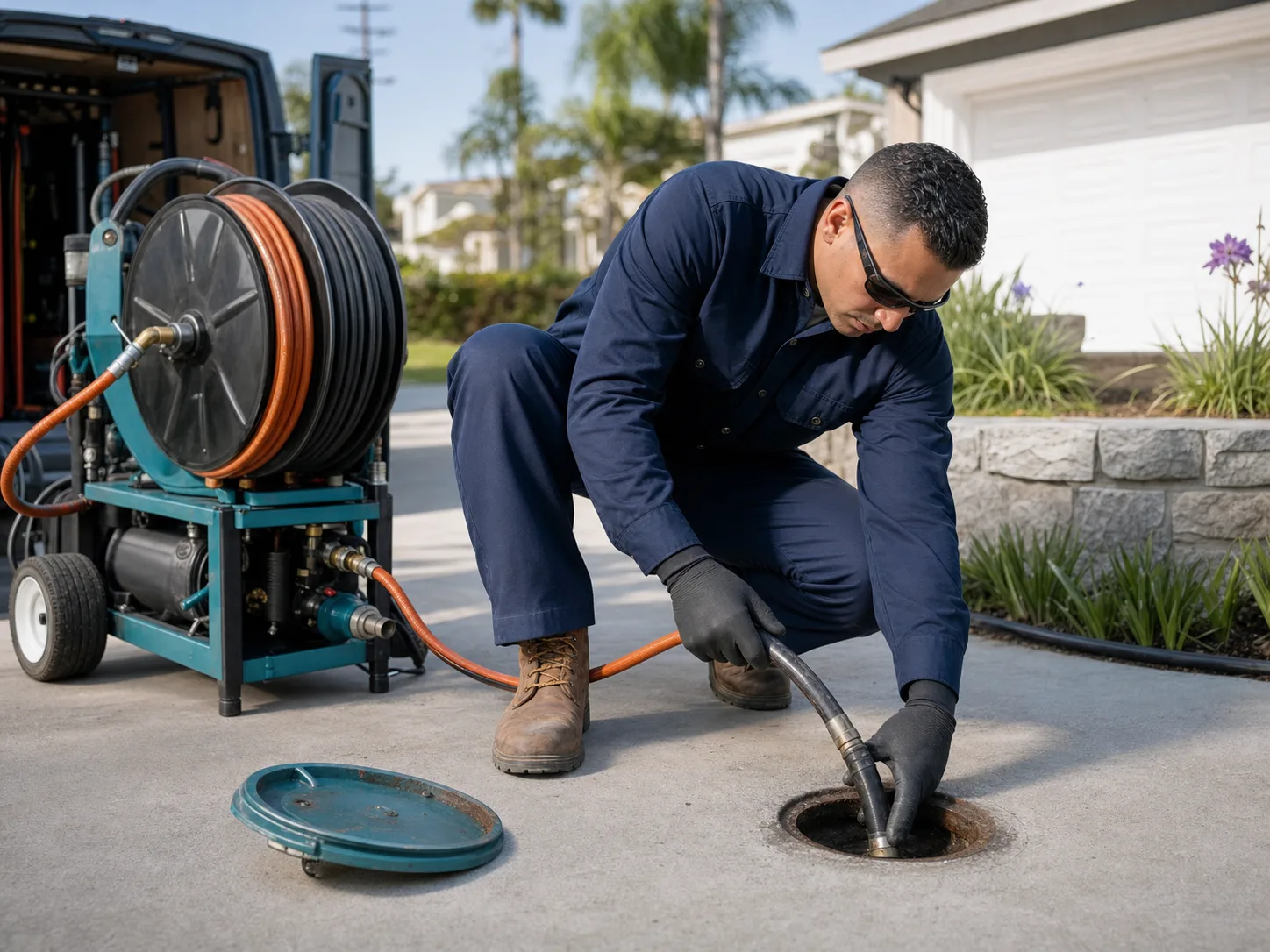
When is hydro jetting appropriate?
Hydro jetting can remove grease, scale, and buildup from suitable lines. The line should be evaluated first when there is a break, collapse, severe offset, or fragile pipe.
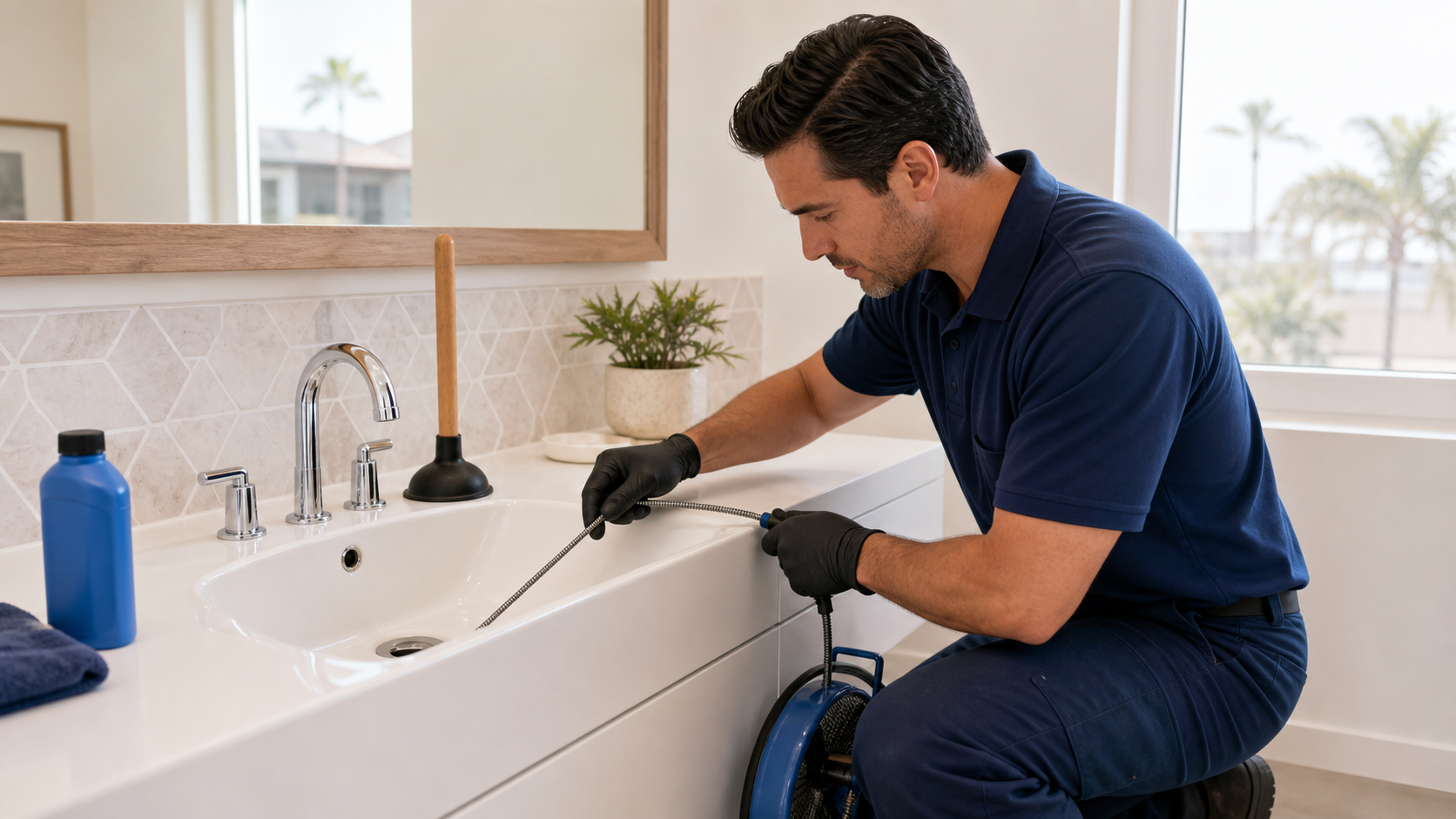
Should I use Drano on a clogged drain?
A plunger or careful trap cleaning may be reasonable for a small, isolated slowdown. Avoid chemical drain cleaner for a full blockage, sewage backup, multiple affected fixtures, or suspected main-line failure.
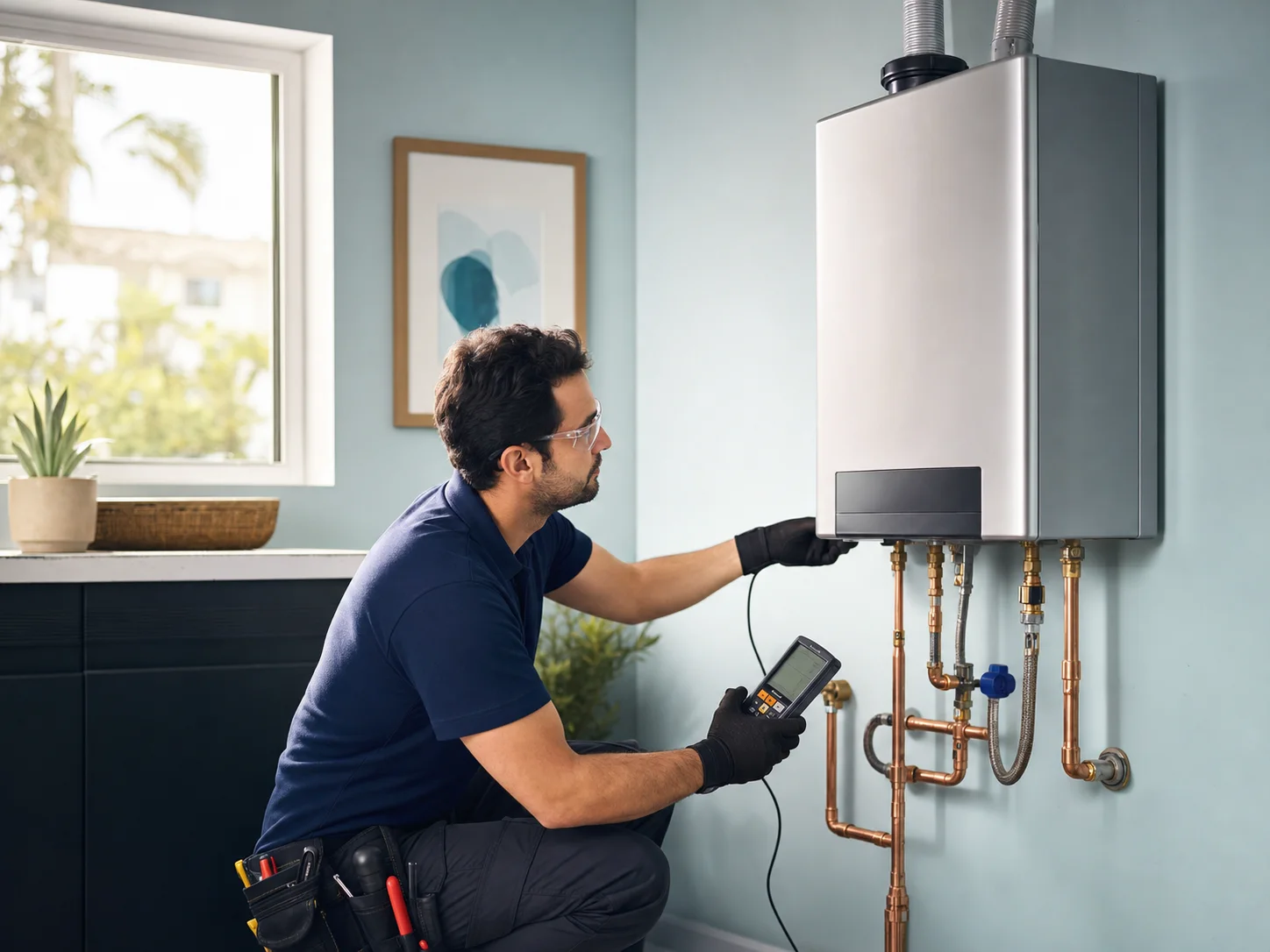
What can I safely check on my water heater?
You can look for active leaks, unusual sounds, pilot or power symptoms, and the temperature setting. Do not open gas controls or electrical panels. A leaking tank or gas smell needs professional service.
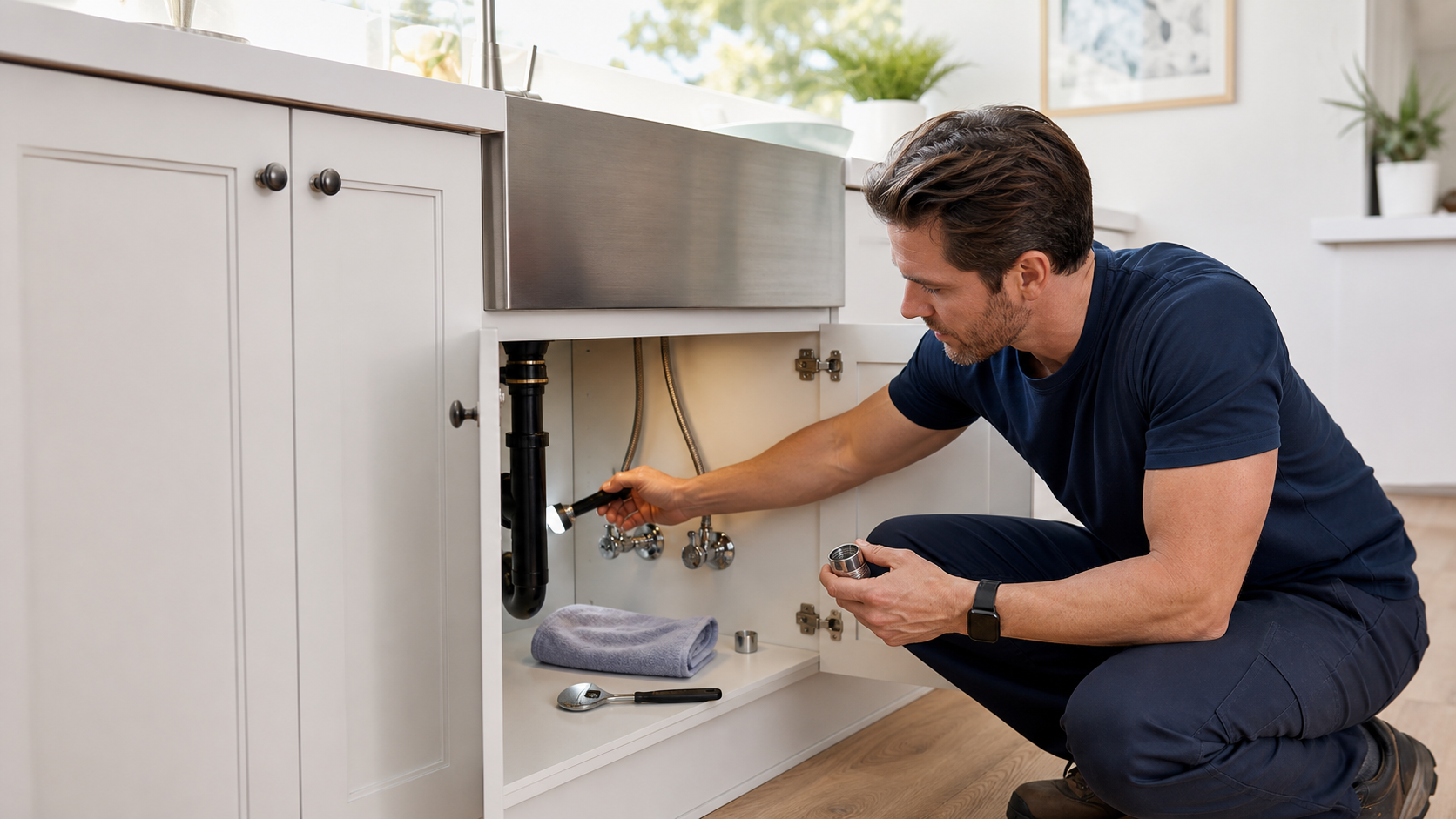
How can I prevent plumbing problems at home?
Check visible shutoffs, watch for slow drains and recurring leaks, clean faucet screens and shower heads, and schedule professional inspections when problems return or affect multiple fixtures.
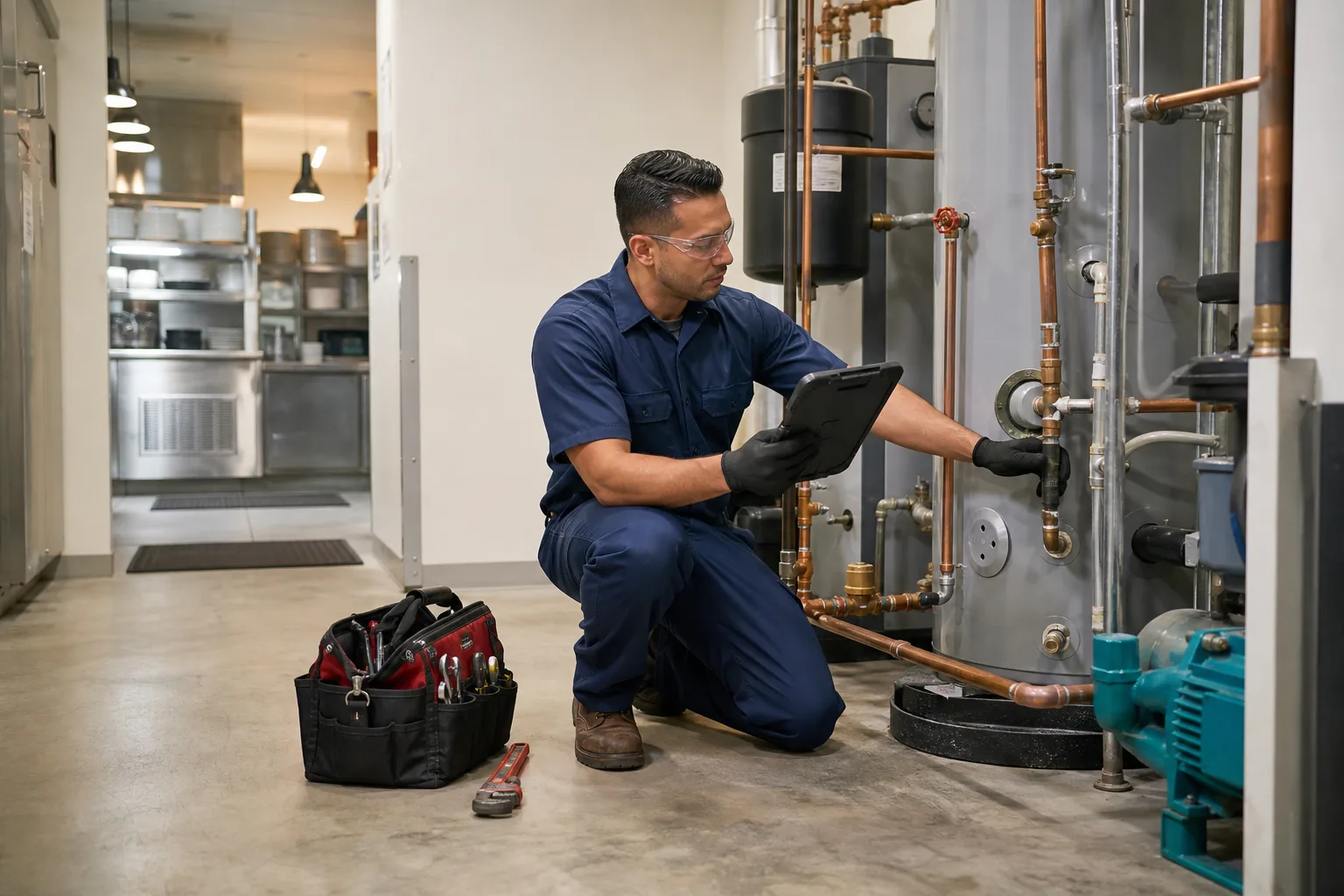
Do you support commercial properties and property managers?
Yes. We can discuss recurring maintenance, documentation, inspections, repairs, and response planning for commercial sites, rental properties, and managed portfolios.
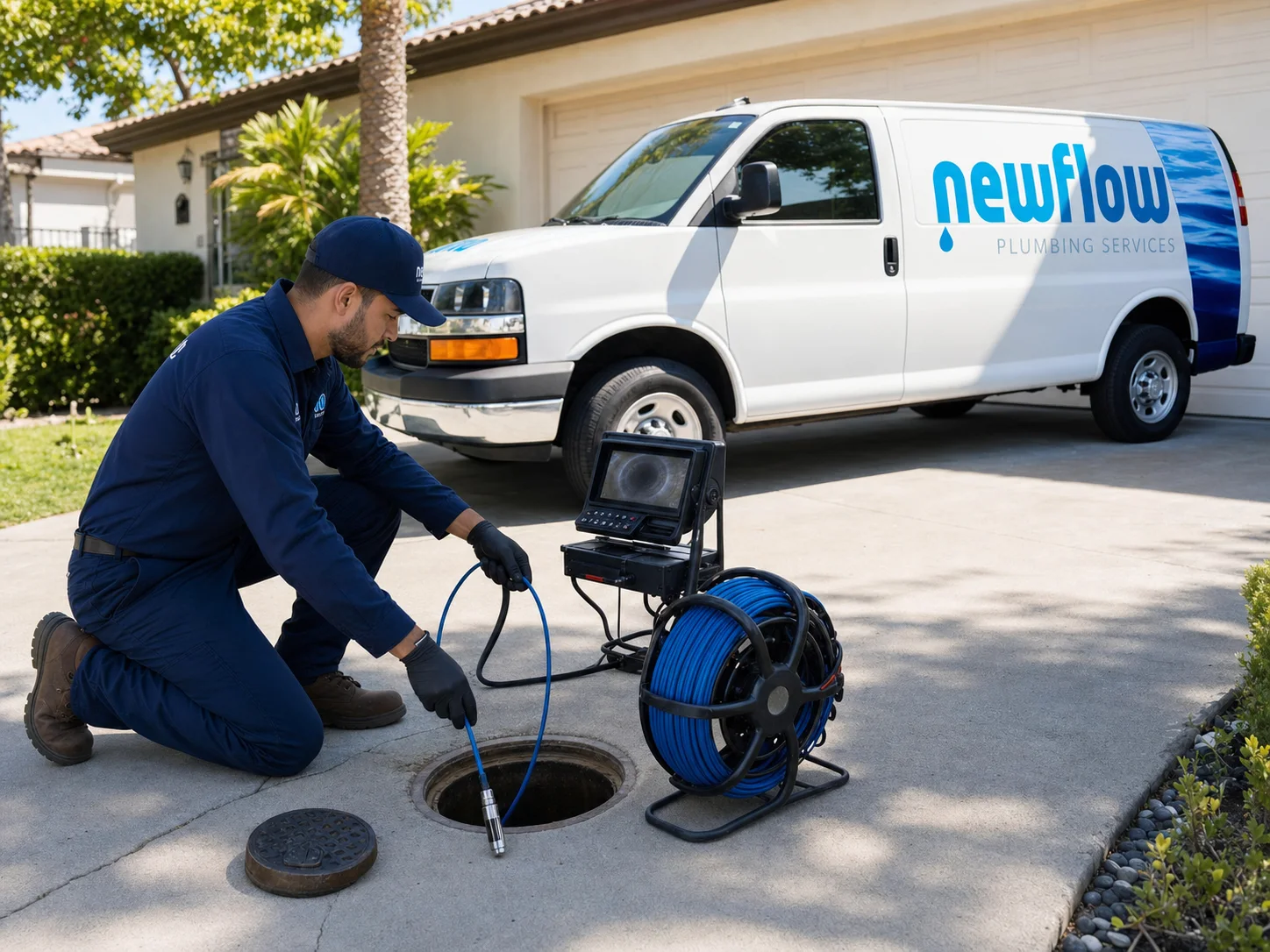
What areas does New Flow Plumbing serve?
Our current coverage map centers on Santa Clarita, the San Fernando Valley, and nearby Los Angeles County communities. Use the city and ZIP search to find local service information, then confirm exact availability when you call.
Helpful details before you schedule.
These answers cover common first steps, service expectations, and warning signs for homes, rental properties, and commercial spaces.
Where is the main water shutoff usually located?
Common locations include the street-side meter box, a garage, a side yard, near the front foundation, or where the water line enters the home. Locate it before an emergency and make sure it turns freely. If the valve is stuck or you cannot identify it, call for help.
What should I do if a toilet is overflowing?
Do not flush again. Turn the small shutoff valve behind or beside the toilet clockwise if it moves safely, keep people away from contaminated water, and call if the overflow continues or other fixtures are backing up.
What should I do when a pipe bursts?
Shut off the nearest fixture valve or main water supply if it is safe, move valuables away from the water, and avoid wet electrical equipment. For uncontrolled water or hidden leaks, call promptly so the source can be stabilized and diagnosed.
How do I handle a gas smell near plumbing equipment?
Leave the area and call your gas utility or 911 from a safe location. Do not operate switches, use flames, or try to repair gas equipment. Once the immediate hazard is handled, a qualified professional can evaluate related plumbing or appliance conditions.
How are sewer repair options selected?
The condition, location, depth, diameter, access, connections, and surrounding utilities all matter. A camera inspection and locating process can help compare cleaning, spot repair, lining, pipe bursting, or conventional replacement.
How quickly can a technician arrive?
Response depends on the active condition, technician availability, traffic, access, and service area. Call for an active emergency; use the request form for planned work and include your city or ZIP code so the team can review the request.
Can you help with recurring problems at a rental or business?
Yes. Property managers and commercial clients can discuss recurring drains, leaks, sewer concerns, documentation, access coordination, and ongoing care plans. Share the property type, location, and service history when you contact us.
What happens before a quote is approved?
We first review the reported symptoms and available findings, then explain the recommended scope, practical alternatives, timing, and next steps. Ask questions before approving work, and make sure the confirmed scope matches the condition at your property.
Need help now? Call 818-538-4958 or contact us online.