
New Flow Plumbing · Local resource
All About Plumbing: Exploring the Basics
Clear plumbing information, professional guidance, and a practical next step for local homes and businesses.
Enter your ZIP code to update your location and see nearby plumbing and sewer service information.
New Flow Plumbing · Local resource
Clear plumbing information, professional guidance, and a practical next step for local homes and businesses.
In this article, we will explore plumbing terms and general plumbing basics. In the coming weeks, we will look into various problems and issues homeowners, commercial services and realtors may experience. Consider this guide as a first look at what to expect from your indoor plumbing network. If you’d like to know more about common plumbing mistakes and quick fixes, here are some plumbing tips for homeowners and more!
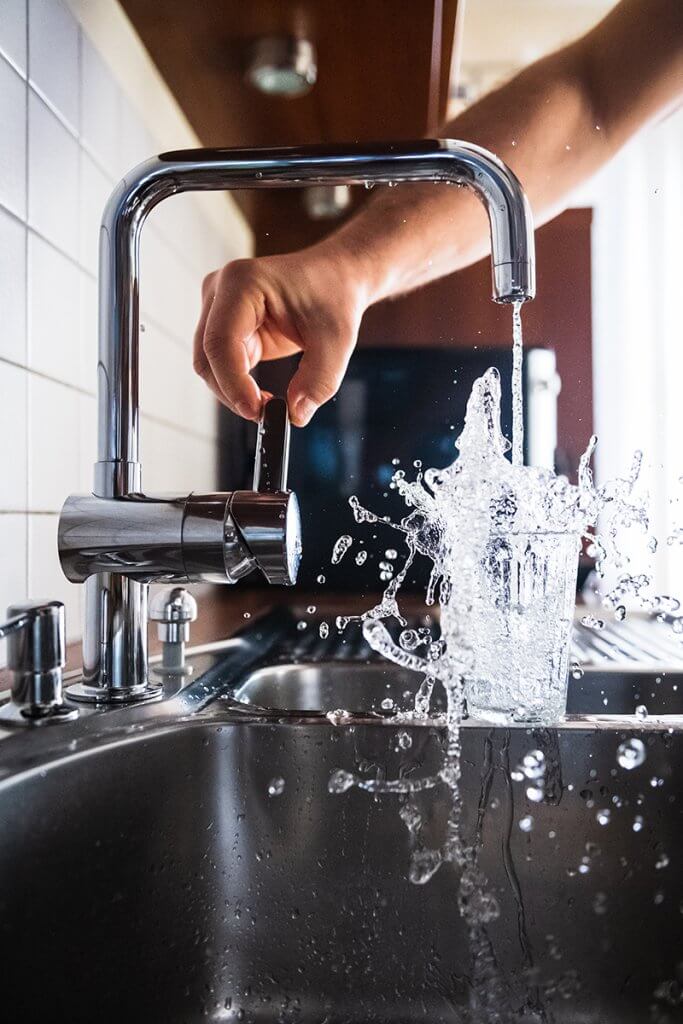
To understand indoor plumbing at its most simple, we need to break it down into two very different systems:
Healthy, functional indoor plumbing depends upon there being this balance kept in place. Water entering your home is pressurized and is commonly used:
Therefore, it’s always important to ensure your indoor pipes and valves are still in top condition. A busted pipe or blockage could mean the difference between you receiving fresh water and not at all.
What’s more, some emergencies could see pipes exploding and flooding your home if not taken care of quickly enough! In such circumstances, the best course of action to take is always to close your home’s primary shutoff valve. That will stop water from flowing into your home.
Interior drainage is responsible for flushing out your waste-water. While you may not consider where your waste goes once you flush or drain, you can also experience problems flushing out as well as in. Drainage systems can operate on a sewer or septic tank basis. This means that you are either:
Or
Ultimately, drainage pipes are able to remove waste from your home due to their downward angle. Essentially, gravity does much of the work.
There are generally two types of system which handle drainage:
In most mainland households, public sewerage provides immense convenience. Simply flush and go! However, there are still plenty of common plumbing mistakes people can often make.
When looking carefully at household drainage, you will come across a variety of different traps. In a plumbing context, a trap is essentially a bend in the plumbing flow. A common trap is your toilet’s u-bend, for example. Traps contain a certain level of water to prevent smells and gas from entering your home from the sewer. Kitchen traps, too, can be used to collect grease and prevent clogs.
Generally, traps have plugs which are easy to remove and to clean wherever necessary. Trap maintenance may be a good preventative option for any homes experiencing or suffering from:
Therefore, unclogging a sink or bathtub can be as simple as attending to your trap. You can, of course, also unclog your traps and drainage by use bicarbonate of soda or store-bought chemicals. In any case, it is a good idea to try and practice home remedies before seeking emergency assistance.
Whether you own your property outright or are running an enterprise dependent upon interior plumbing, it’s important to understand where your responsibilities lie. In some cases, responsibility for your plumbing and drainage will be yours alone if emanating from within a property. However, in some states, you may be responsible for additional concerns. For example, if you have a septic tank on your property, it is your responsibility to ensure that it is emptied.
Septic tanks which are not emptied can pose public health risks. Many homeowners prefer sewer drainage for convenience on a number of different levels. If you are concerned about whether or not drainage is your responsibility, consult your local water and sewerage provider.
Before calling an emergency plumber or sewage specialist, it’s a good idea to consider some of the more common plumbing concerns which may arise from time to time. It’s also good practice to know what to do!
If you are concerned about any plumbing or drainage issues, you may be experiencing within your property, always consult an expert. There are many home remedies which will likely resolve the most common problems. However, an expert’s advice can make all the difference.
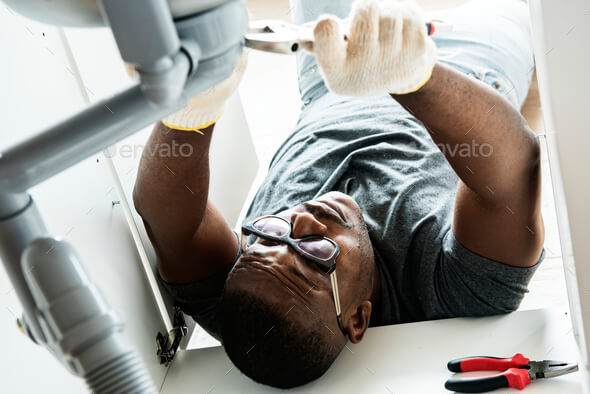
In many cases, whether you own a property or use it for commercial purposes, sewer line inspections can help to resolve a wealth of drainage issues. Sewer line inspections are a fantastic idea for new homeowners. They are also highly recommended for realtors and property investors, too, for a variety of reasons. Some of these may include:
If you are unsure whether or not your drainage setup requires a thorough sewer inspection, it is always worth asking the opinion of an expert, especially in the event of an emergency. Sewer line inspections can make a world of difference for home sales and developments, meaning it is always worth considering an inspection. It could also save you thousands of dollars in the long run.
Many plumbing and drainage problems can be easily attended to and remedied within the home. However, there may be some jobs and problems which require an expert’s touch. In the event of an emergency, it is always handy to have a plumber or sewer drain specialist on hand to be able to help you. Preventive measures are also highly recommended for new buyers and property developers, too.
New Flow Plumbing are sewer drain inspectors and line experts who will investigate any problems or issues you may be having with regular drainage. Whether you are struggling to flush away waste from your own home or are in the process of selling a property, a sewer line inspection is an absolute must. Even if all other options have been exhausted, we are here to help you find that final, effective solution.
Call our specialist team today on (818) 538-4958 to learn more. Contact us to request for a quote and read more about plumbing information from our blog!