Emergency sewer & plumbing response Finding your nearest service area… · Service areaCall 818-538-4958
New Flow Plumbing · Local resource

Plumbing Knowledgebase | New Flow Plumbing

Practical plumbing information, professional guidance, and a clear next step for homeowners and businesses across the San Fernando Valley and Los Angeles County.
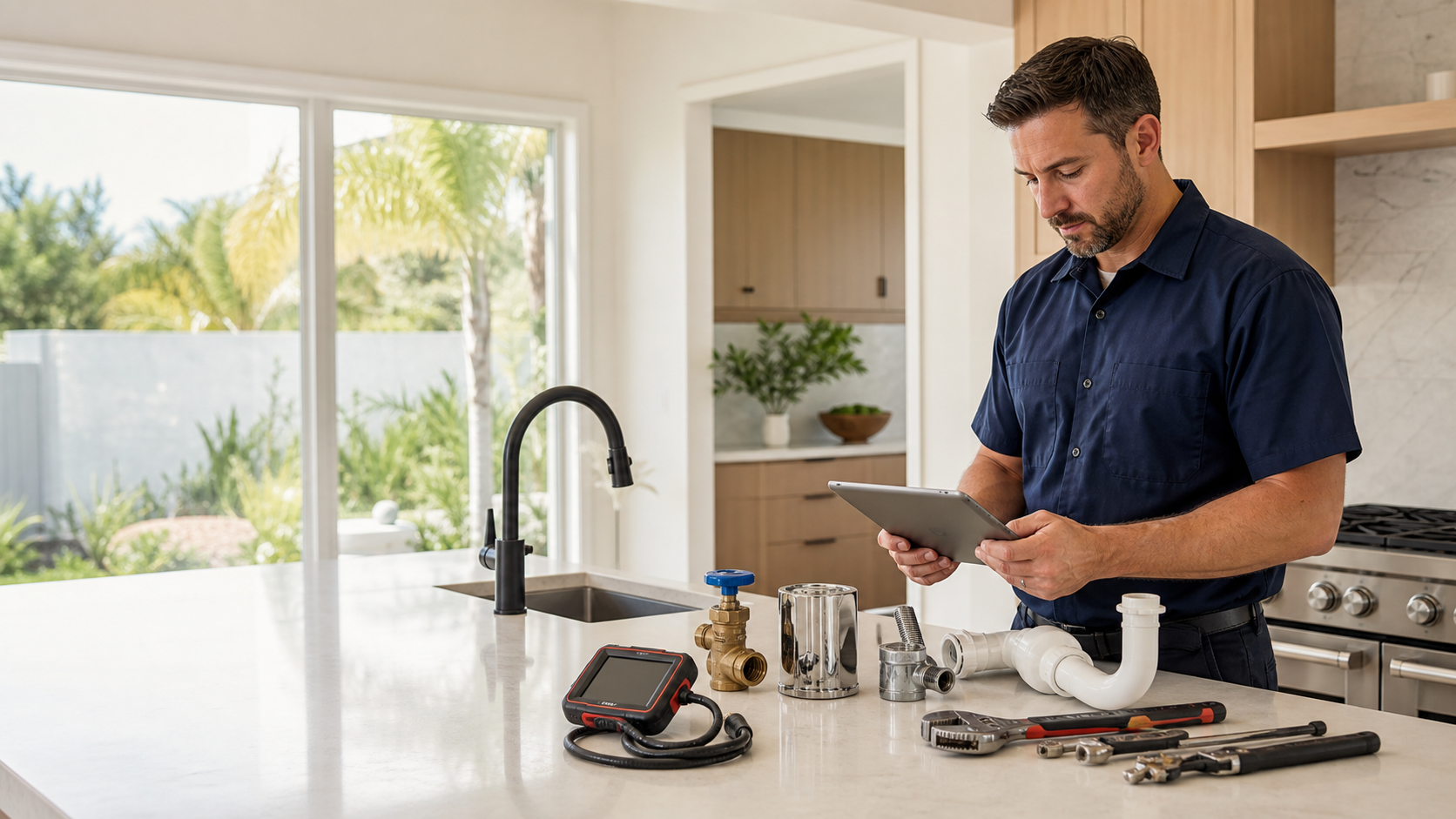
New Flow Plumbing professional resource image for Plumbing Knowledgebase | New Flow Plumbing
Clear information backed by professional field experience.
The New Flow resource center

Clear answers before you call.

Use practical guidance for simple home plumbing care, sewer diagnosis, emergency decisions, and ongoing maintenance planning. When the problem is beyond a safe DIY step, we make the next professional step clear.
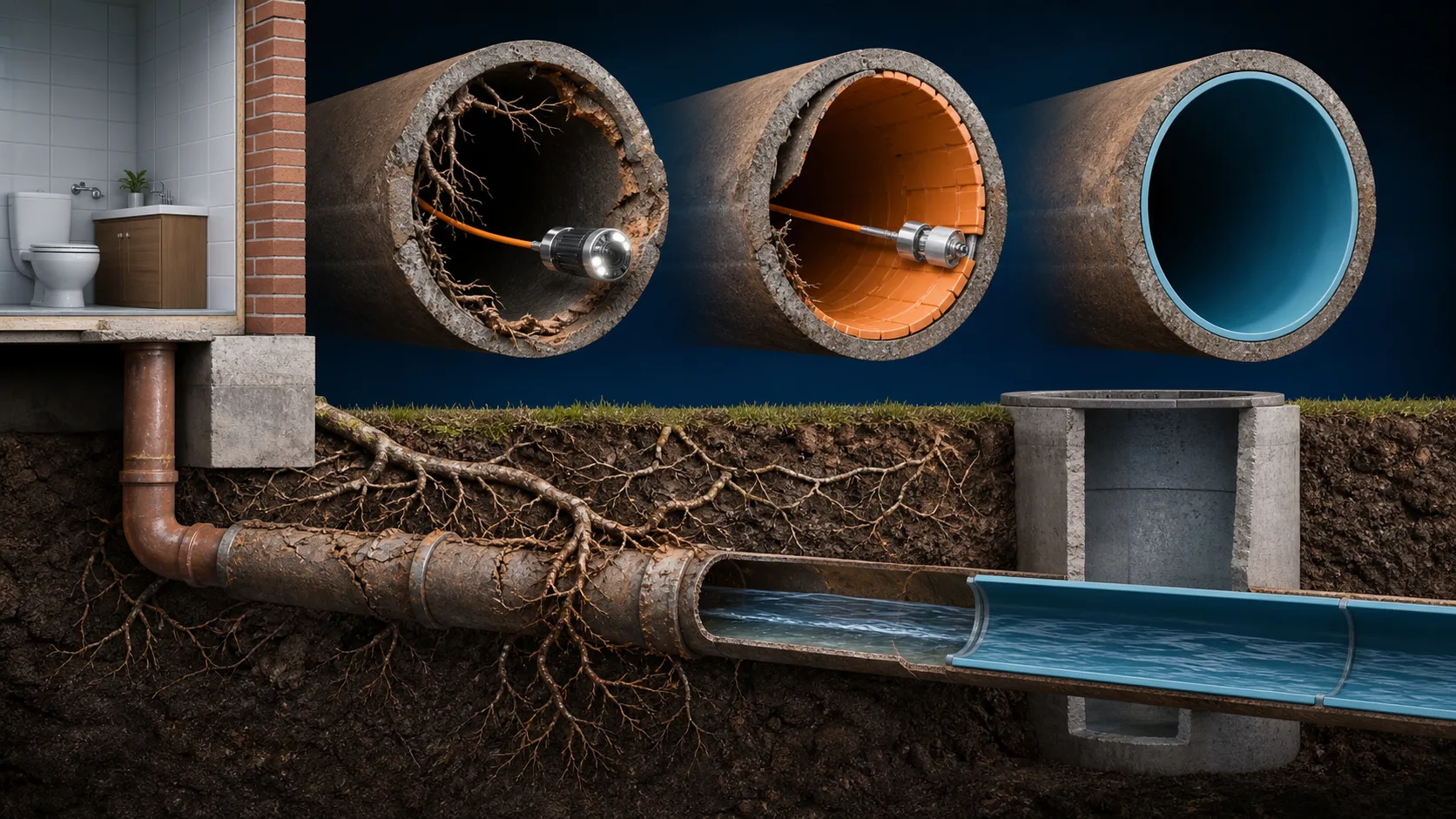
Plumbing resource guide and sewer system illustration
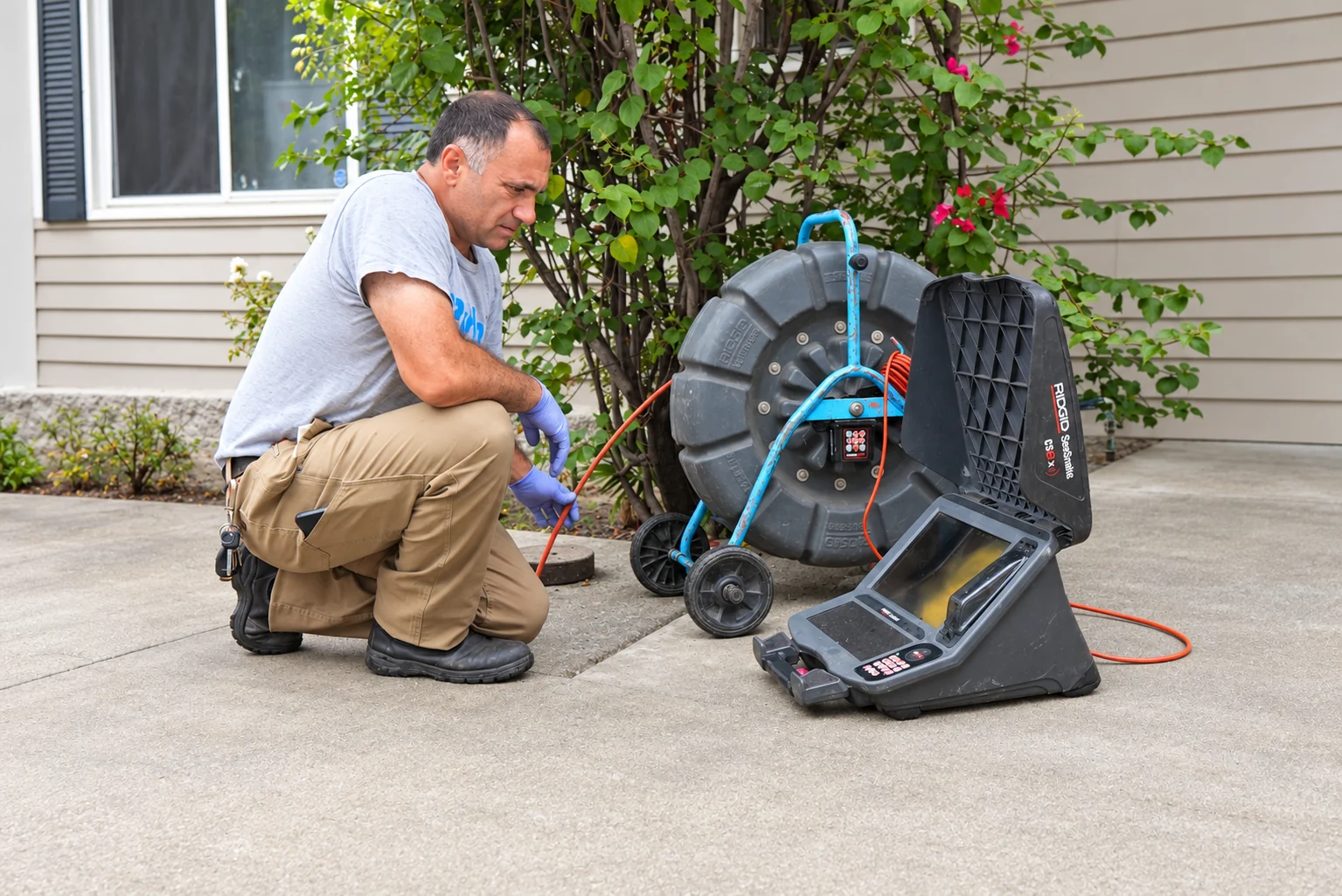
Sewer camera inspection equipment
Diagnosis

Sewer and drain problems

Understand recurring backups, roots, breaks, offsets, collapsed lines, camera inspections, hydro jetting, and trenchless options.

Browse sewer and drain answers
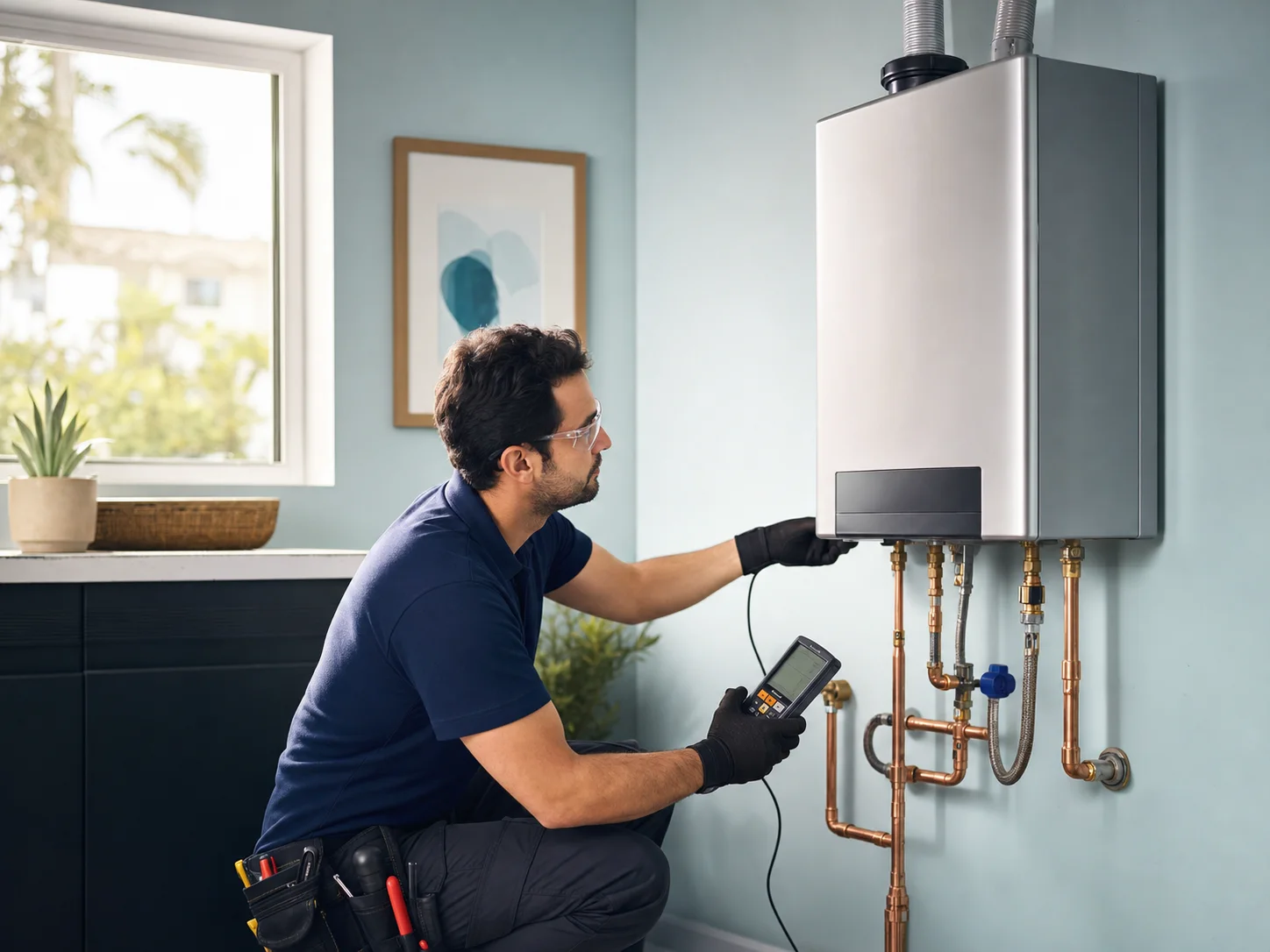
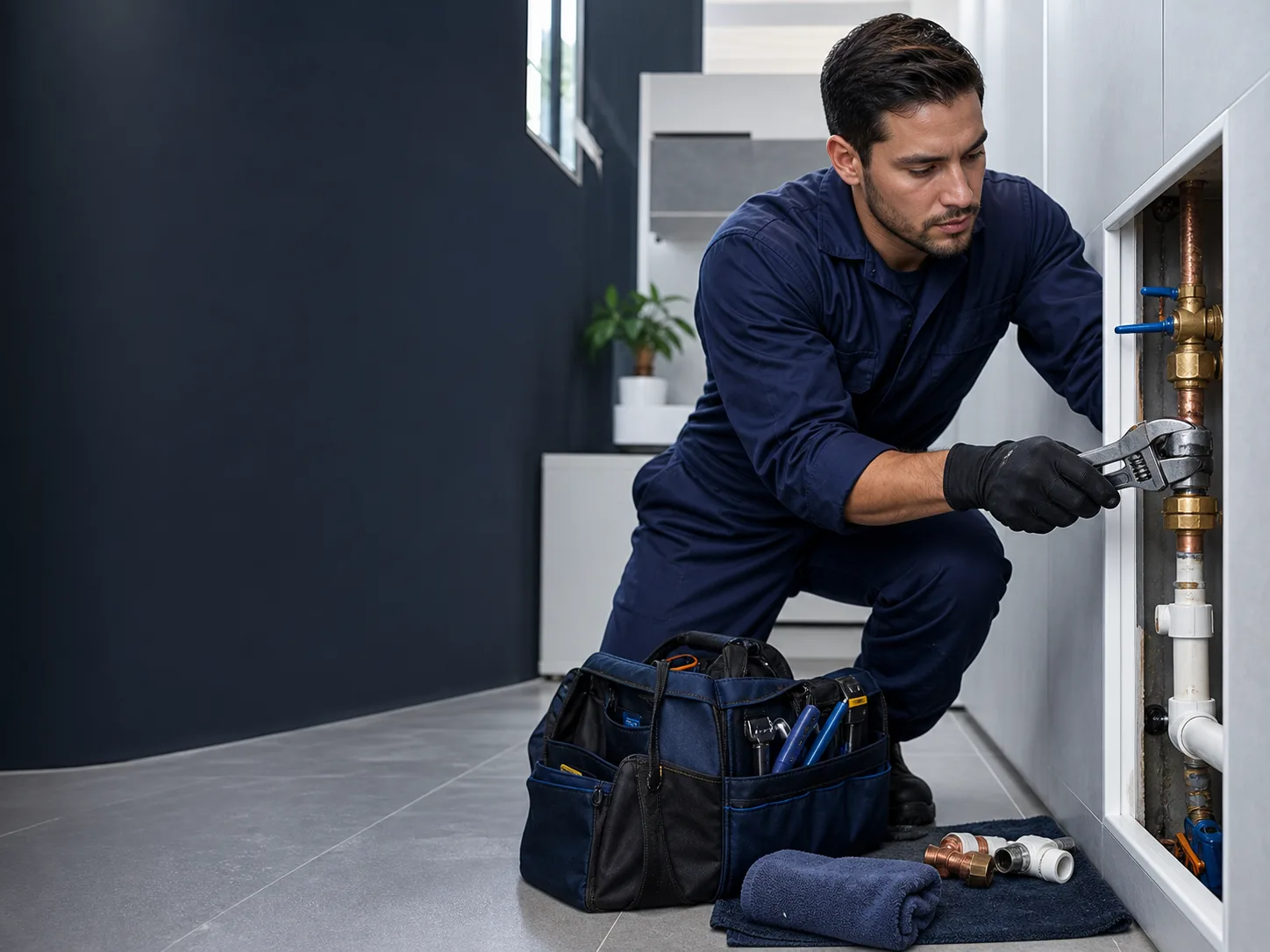
Emergency plumbing response technician
Act quickly

Emergency plumbing guidance

Shutoff locations, gas odors, burst pipes, toilet overflows, sewage backups, and the first steps to reduce damage.

Open emergency guide
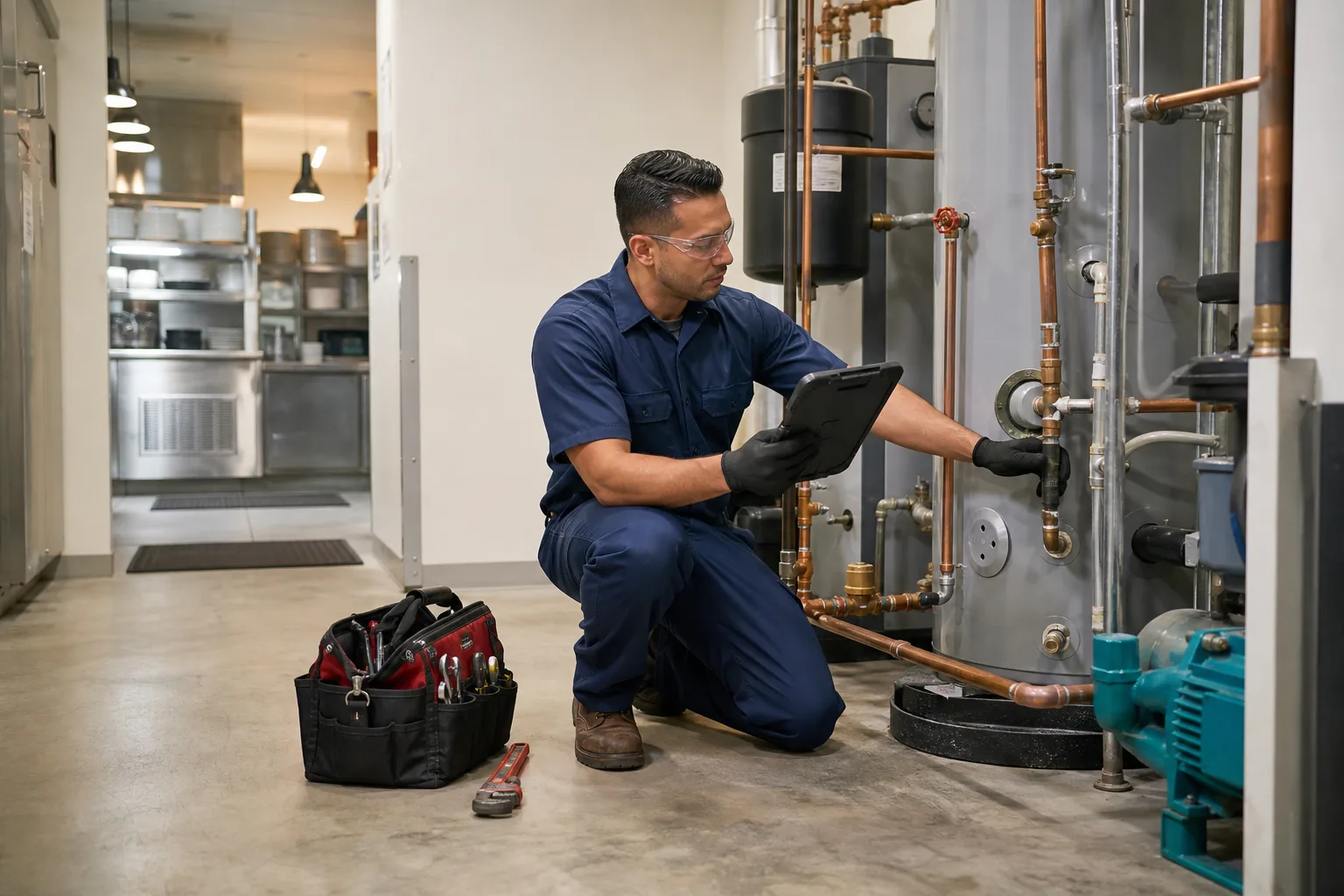
Commercial plumbing maintenance planning
Service planning

Home and commercial care

Plan inspections, recurring maintenance, property-manager workflows, and priority service around the needs of the site.

View care plans
Practical guide library

Start with the symptom. Finish with a safer next step.

Use these homeowner-friendly guides for simple maintenance, early warning signs, and better conversations with a professional. If water is uncontrolled, sewage is backing up, or gas is involved, skip the DIY steps and call immediately.
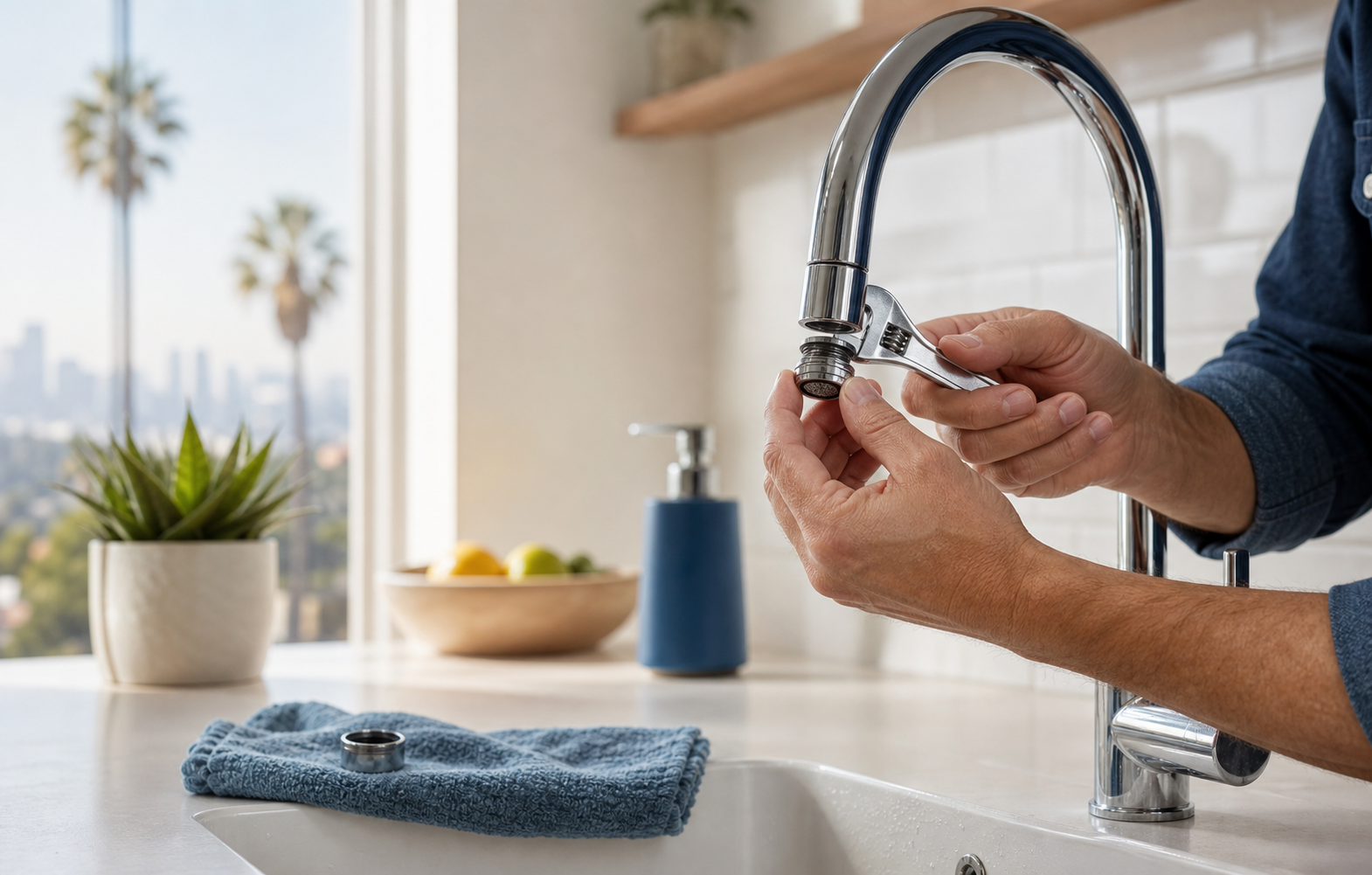
Hands removing a faucet aerator with a small wrench
DIY guide

Clean a faucet aerator

Restore flow and remove mineral buildup without damaging the fixture or finish.
  • Shut off or cover the drain first.
  • Soak the screen before replacing it.
Read the guide
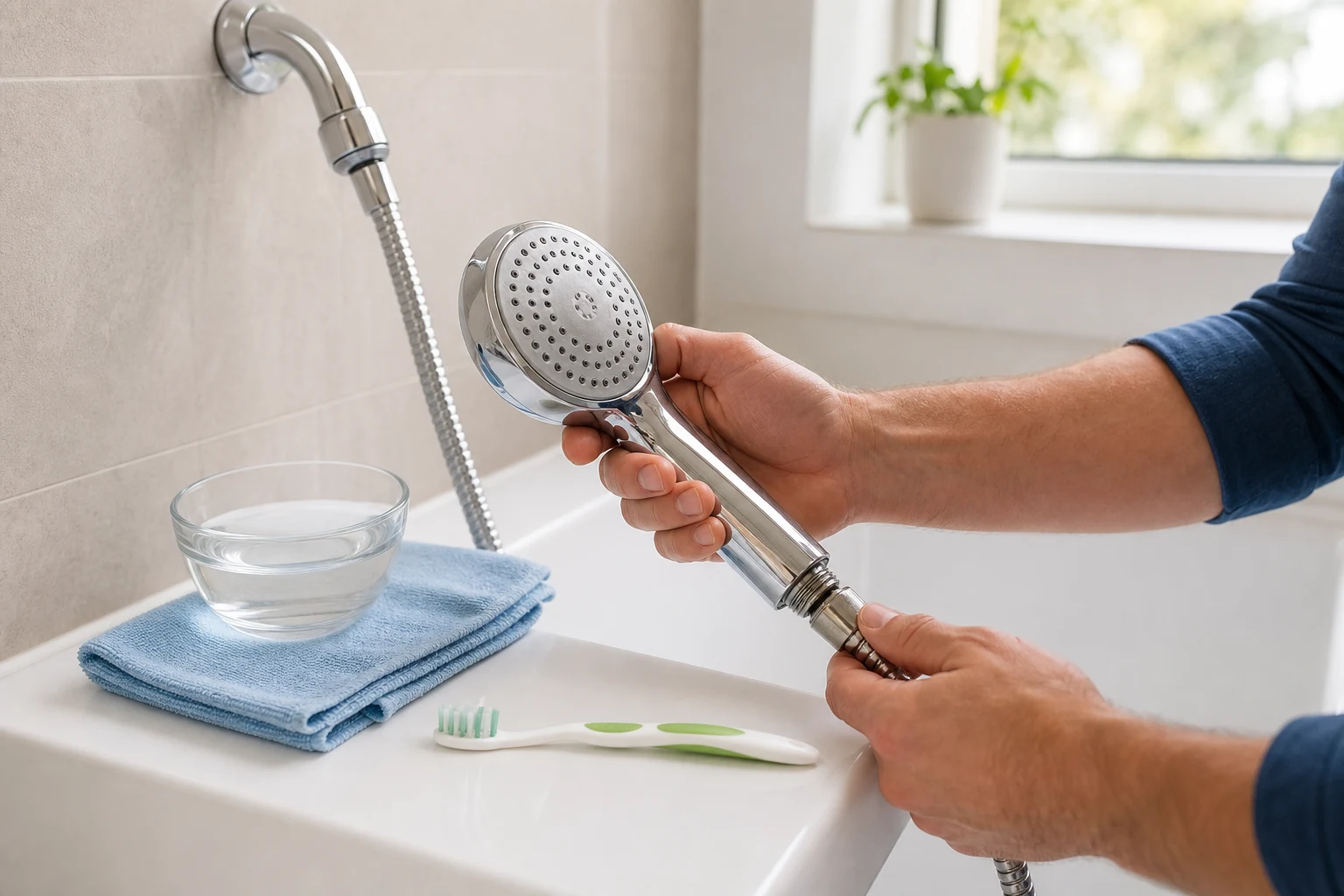
Homeowner cleaning a shower head
DIY guide

Clean a shower head

Improve spray quality safely and recognize when corrosion or a damaged fitting needs a pro.
  • Start with a gentle soak and soft brush.
  • Stop if the connection begins to twist.
Read the guide
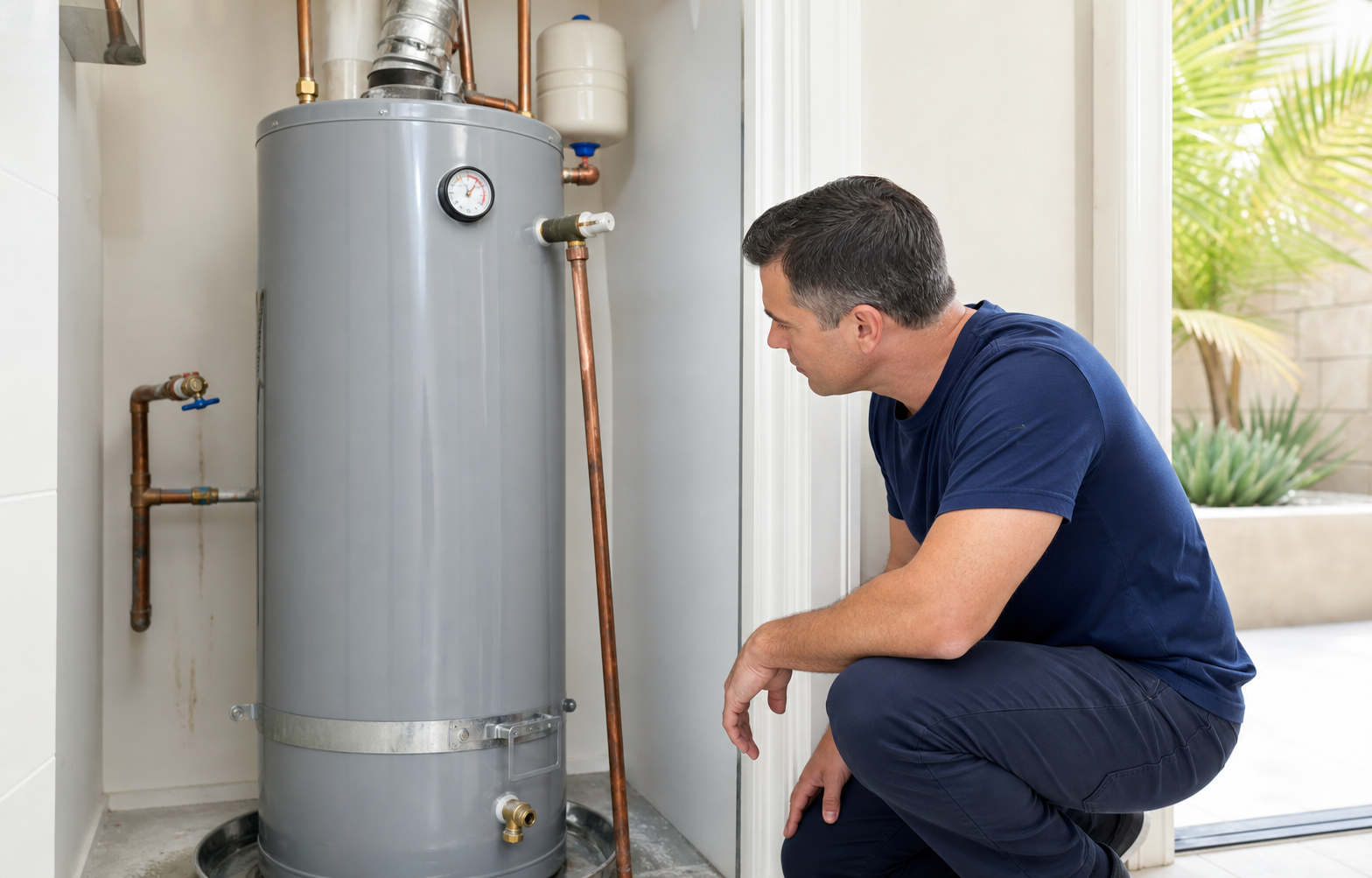
Homeowner safely checking a residential water heater
DIY inspection

Check your water heater

Review safe first checks before scheduling water-heater repair or replacement.
  • Look for leaks, corrosion, and unusual sounds.
  • Do not open panels or touch gas controls if unsure.
Read the guide
Homeowner planning a bidet fixture installation
DIY installation

Install a TUSHY bidet

Use a careful shutoff-and-test process to reduce leak risk around a new bidet attachment.
  • Confirm the shutoff and thread sizes.
  • Test every connection before leaving the fixture in service.
Read the guide
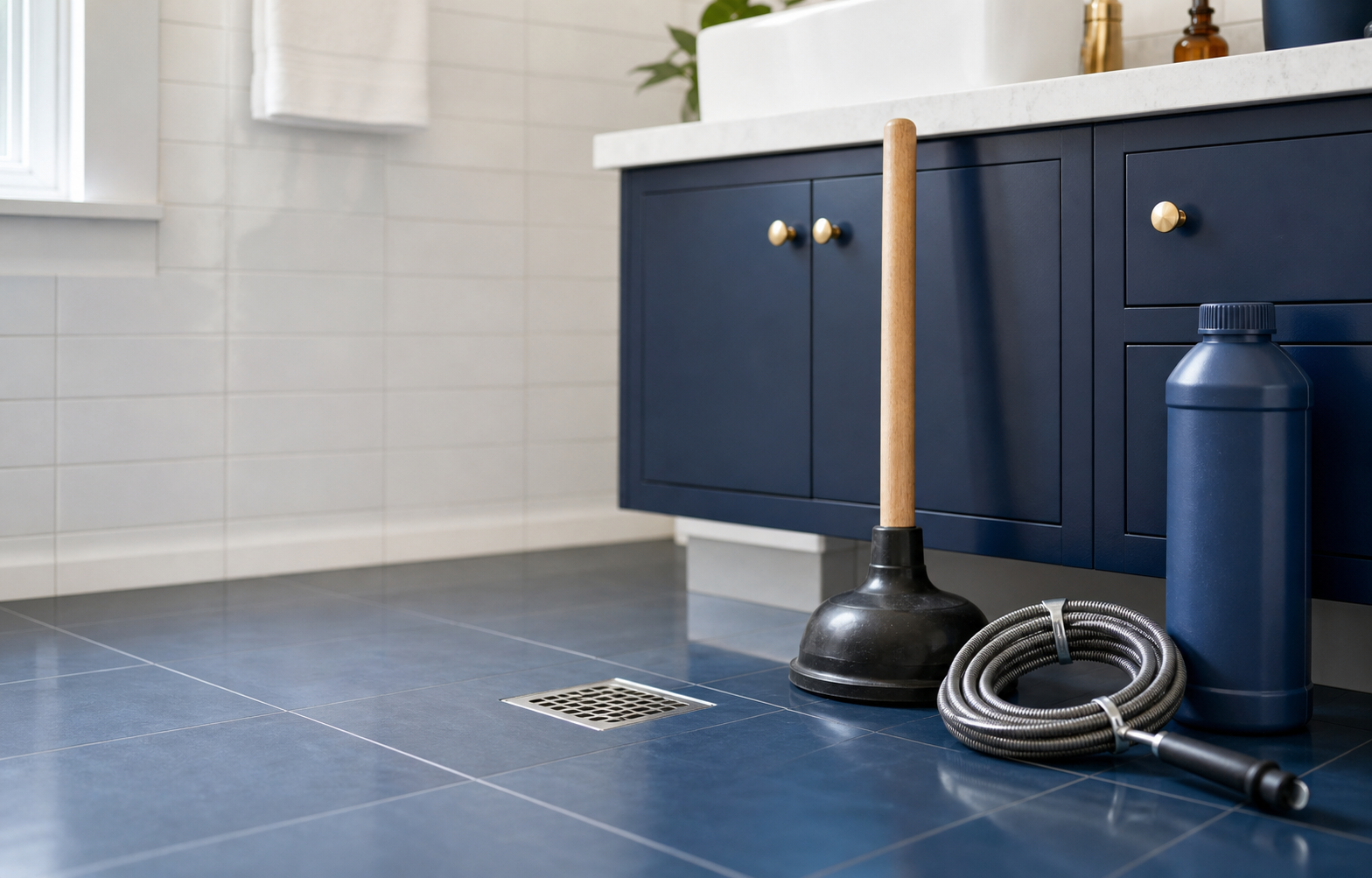
Plunger and drain cable ready for a bathroom cleanout
Safety guide

Drano or a cleanout?

Learn when a simple clog is different from a main-line emergency and why repeated chemicals can complicate repair.
  • Protect eyes and skin around drain chemicals.
  • Call when multiple fixtures are affected.
Read the guide
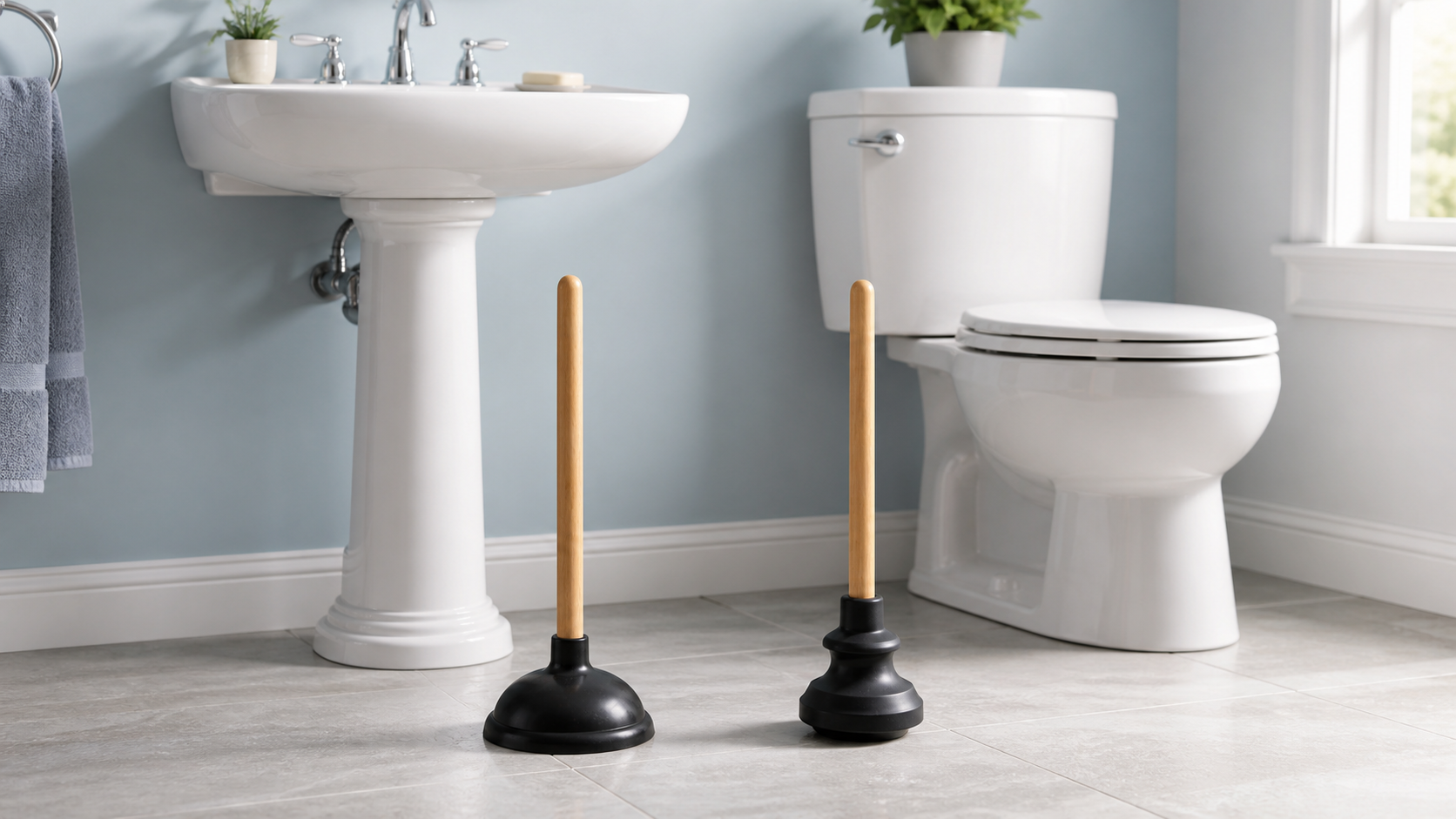
Flat cup sink plunger and flanged toilet plunger in a bathroom
DIY guide

Choose the right plunger

Use a flat cup plunger for sinks and a flanged plunger for toilets, then make a safe seal before testing the drain.
  • Match the tool to the fixture.
  • Stop for sewage, multiple backups, or a hard blockage.
Read the guide
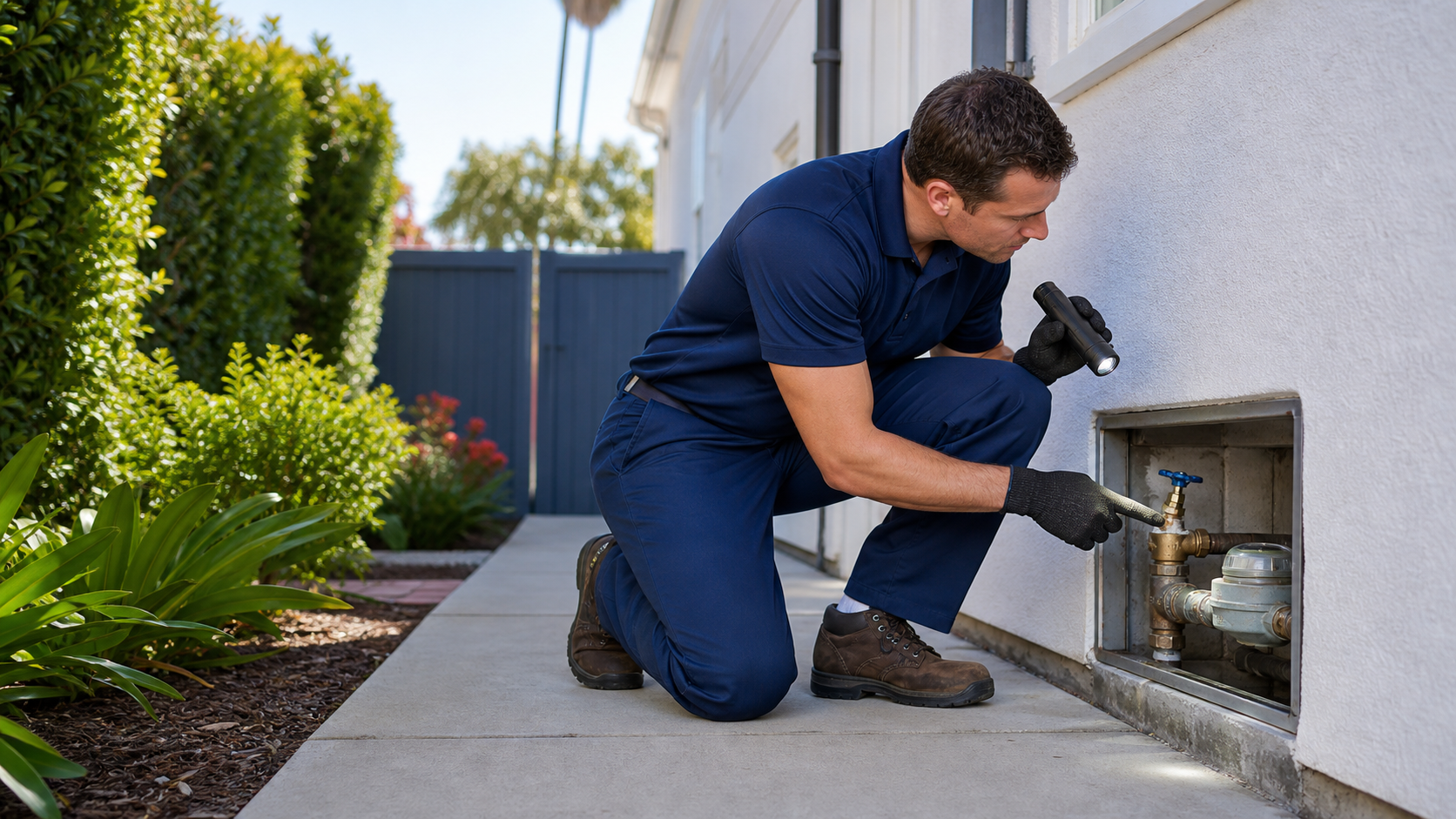
Technician checking a residential water shutoff and supply line
Emergency prep

Find your water shutoff

Know where common shutoff valves are located before a leak becomes a larger water-damage event.
  • Check the meter, garage, and exterior wall.
  • Turn only what you can reach safely.
See emergency steps
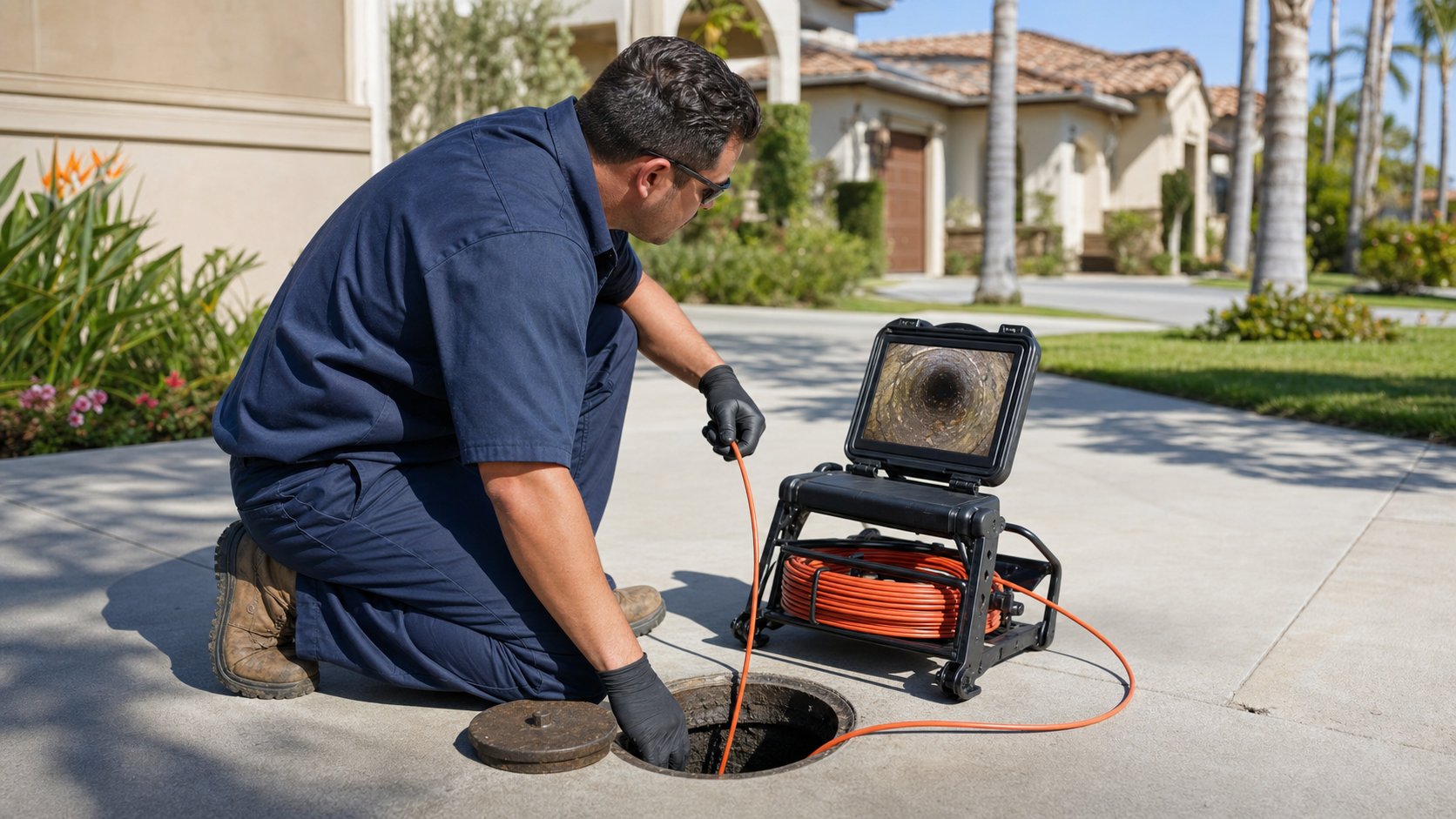
Technician performing a sewer camera inspection at a residential cleanout
Diagnosis

When a slow drain needs a camera

Recurring backups and several affected fixtures can point to a problem beyond one trap or branch line.

  • Note which fixtures back up first.
  • Ask for evidence before approving excavation.
Read diagnosis FAQs
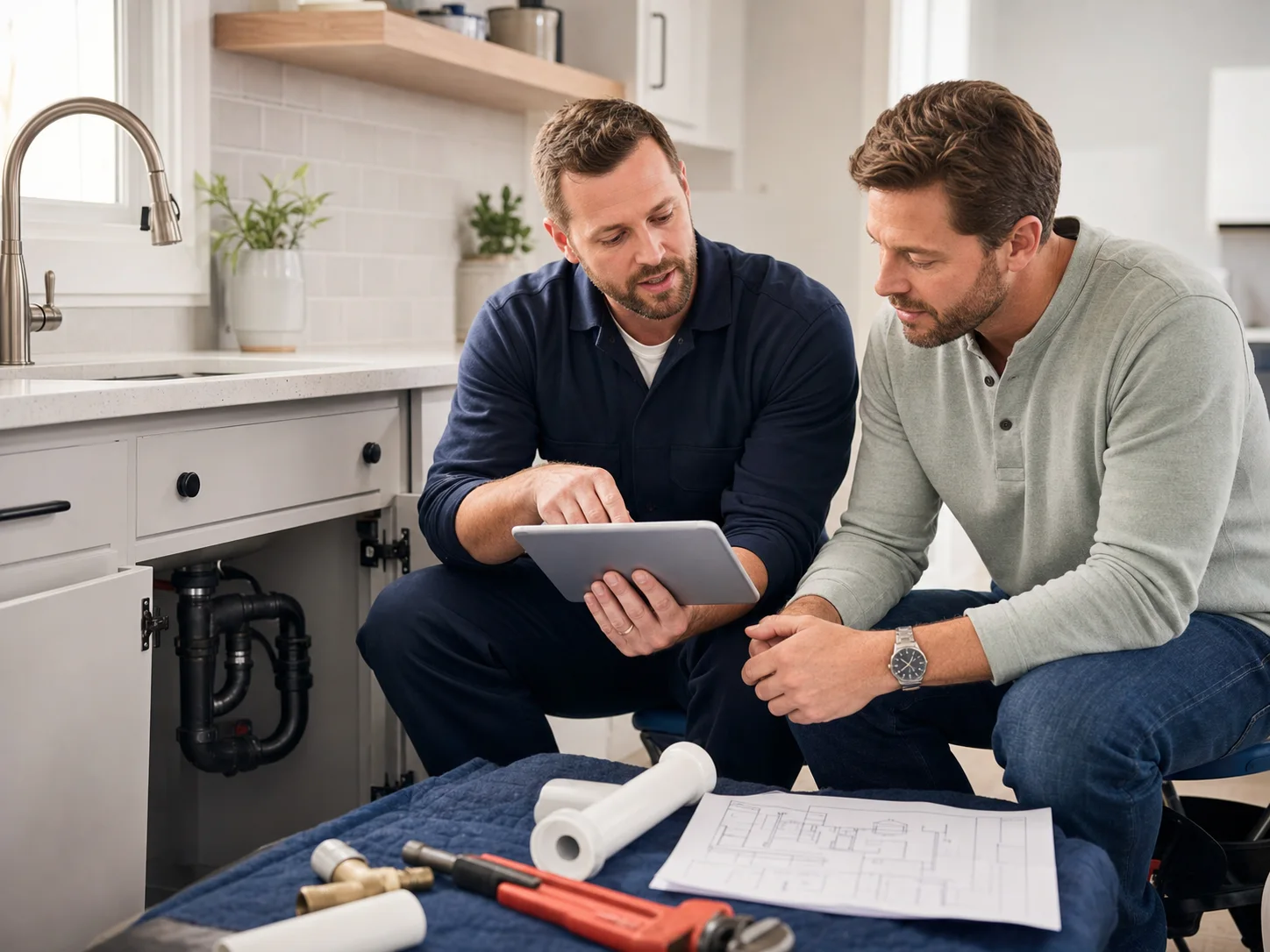
Plumber and property manager reviewing a commercial maintenance plan
Ongoing care

Home and commercial plans

Build a maintenance rhythm around fixtures, water heaters, sewer lines, tenant needs, and priority response.
  • Track recurring symptoms before they escalate.
  • Plan inspections around access and occupancy.
Explore care plans
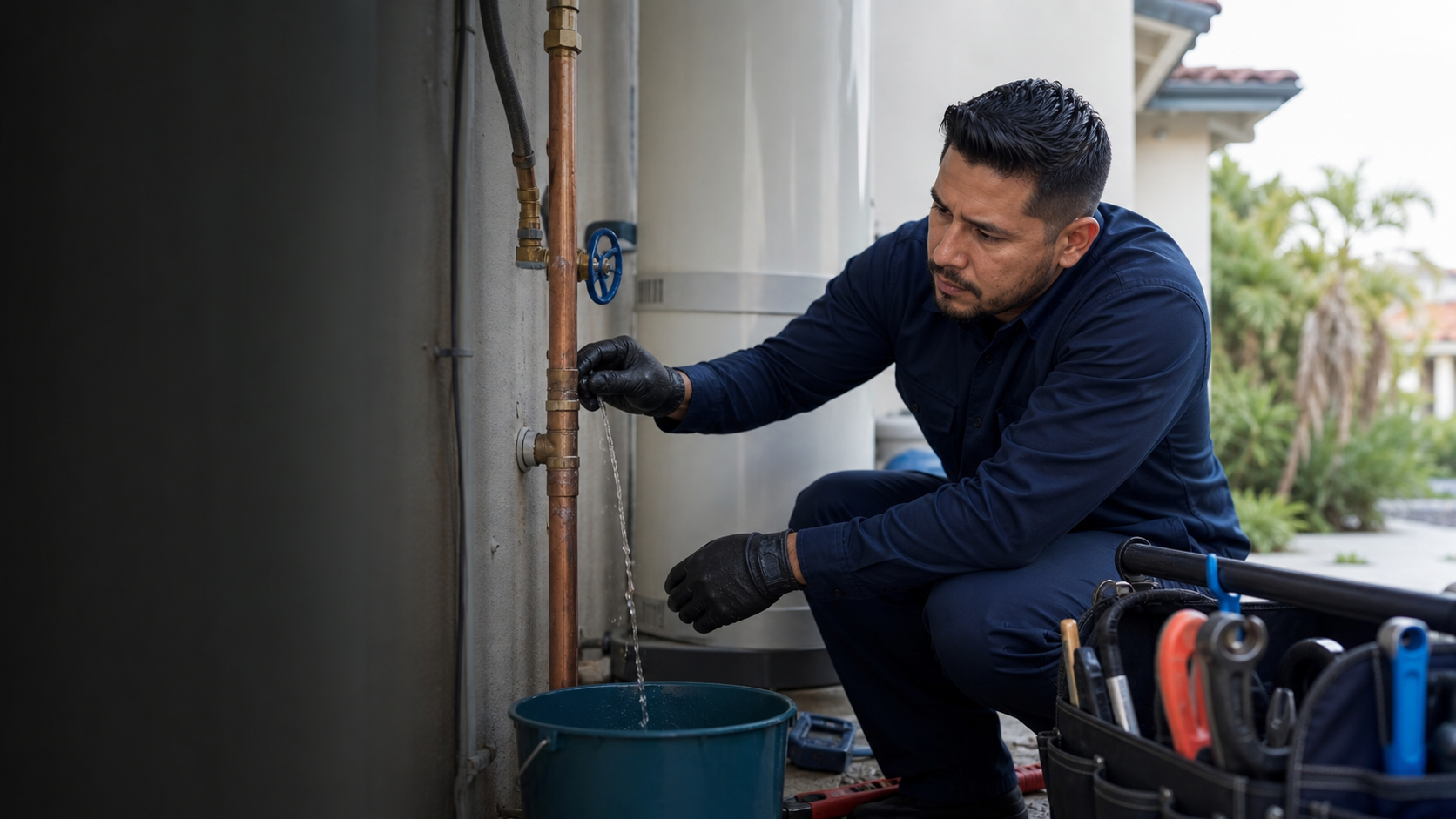
Technician locating a burst water pipe outside a home
Planning guide

What does burst pipe repair cost?

Understand the factors that affect emergency pipe repair, access, materials, water damage, and the next decision.
  • Separate emergency stabilization from permanent repair.
  • Ask what is included in the estimate.
Read the article
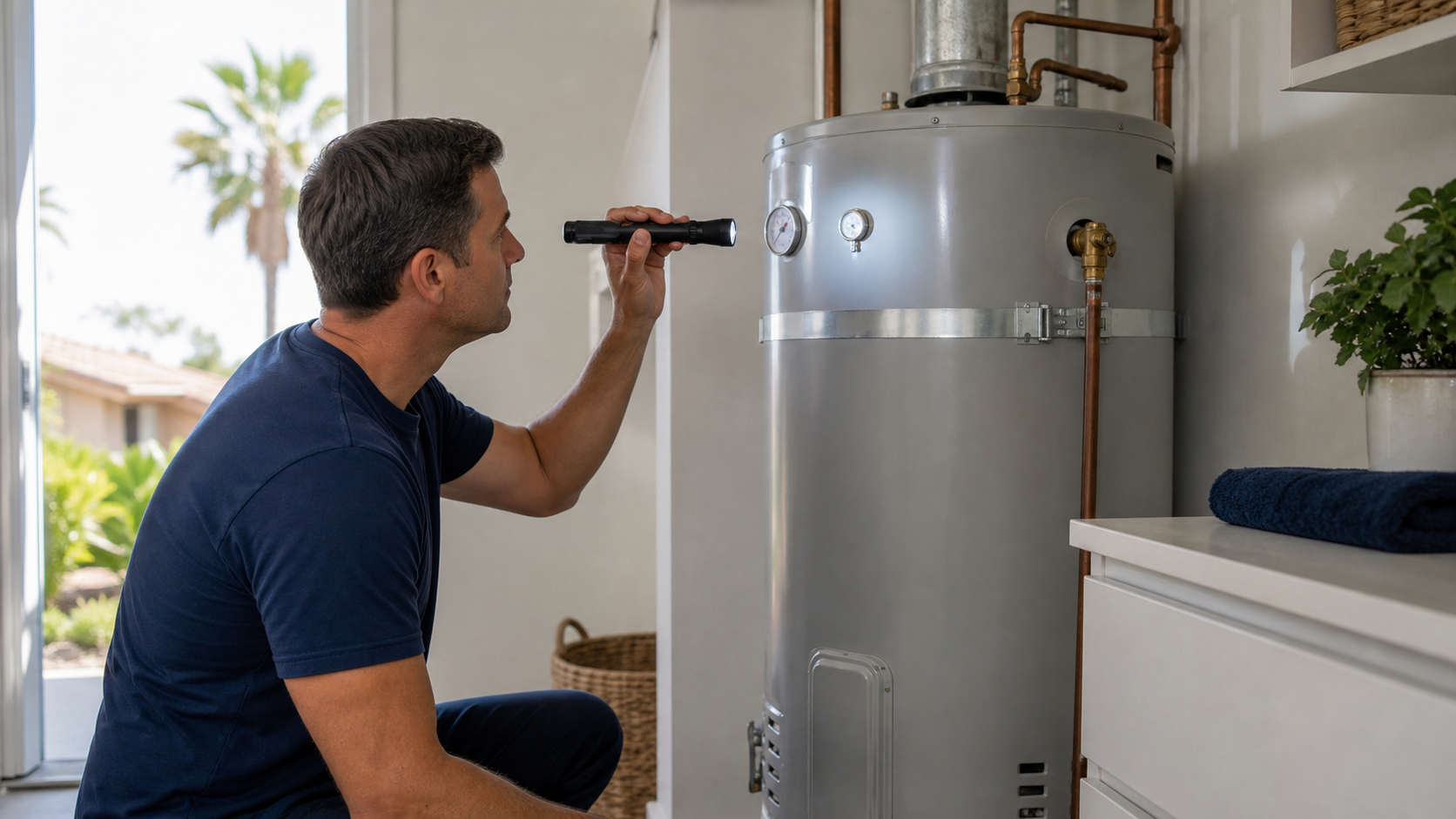
Residential water heater and safety controls
Troubleshooting guide

Why does my water heater sound like it is running?

Learn what common sounds can indicate, which checks are safe, and when the equipment should be inspected.

  • Notice whether the sound is new or constant.
  • Shut down equipment only when it is safe to do so.
Read the article
Cutaway illustration of a residential sewer line
Sewer guide

When toilet waste comes back

Review common causes of recurring toilet backups and the clues that point beyond a single fixture.

  • Compare what happens at other fixtures.
  • Do not keep flushing when wastewater is rising.
Read the article
Browse by topic

Useful information for the next decision.

Start with the symptom or project that matches what is happening at your property.

When water will not wait

Know when to stop troubleshooting.

For uncontrolled water, sewage, a burst pipe, gas odor, or water near electrical equipment, protect people first, shut off what you can safely reach, and call immediately.

Call a sewer specialist · 818-538-4958